
The legal industry is experiencing a profound transformation in how court proceedings are documented and transcribed. Traditional stenography, while still highly valued for its accuracy and real-time capabilities, is being complemented and in some cases replaced by advanced AI voice recognition technologies.
For court reporters and stenographers, understanding these emerging tools is crucial for adapting to changing industry demands while maintaining the high standards of accuracy that legal proceedings require.
The Evolution of Court Reporting
Court reporting has traditionally relied on skilled stenographers using specialized equipment to create real-time transcripts of legal proceedings. This profession demands exceptional skill, with requirements for:
- Speed: Typically 225+ words per minute for certification
- Accuracy: 95% accuracy standards for legal proceedings
- Real-time delivery: Immediate transcript availability during proceedings
- Legal terminology mastery: Understanding of complex legal language and procedures
- Equipment proficiency: Expertise with stenotype machines and software
However, the industry faces several challenges:
- Shortage of qualified stenographers in many jurisdictions
- Training time and cost for new court reporters (2-4 years typically)
- Physical demands of high-speed stenography over extended periods
- Technology integration requirements for modern courtrooms
AI Voice Recognition in Legal Settings
Modern AI voice recognition technology has reached accuracy levels that make it viable for legal applications, though with important considerations:
Current Capabilities
High accuracy rates: Leading AI systems achieve 95%+ accuracy in optimal conditions Multi-speaker recognition: Ability to identify and separate different speakers Legal vocabulary: Training on legal terminology and courtroom language Real-time processing: Live transcription with minimal delay Integration capabilities: Connection with existing legal software systems
Limitations and Considerations
Environmental sensitivity: Performance affected by background noise, multiple speakers, and audio quality Accent and dialect variations: Potential accuracy reduction with diverse speech patterns Legal liability: Questions about responsibility for transcription errors in legal proceedings Privacy and security: Concerns about cloud processing of sensitive legal information Complex proceedings: Challenges with overlapping speech, interruptions, and side conversations
AI Tools Transforming Court Reporting
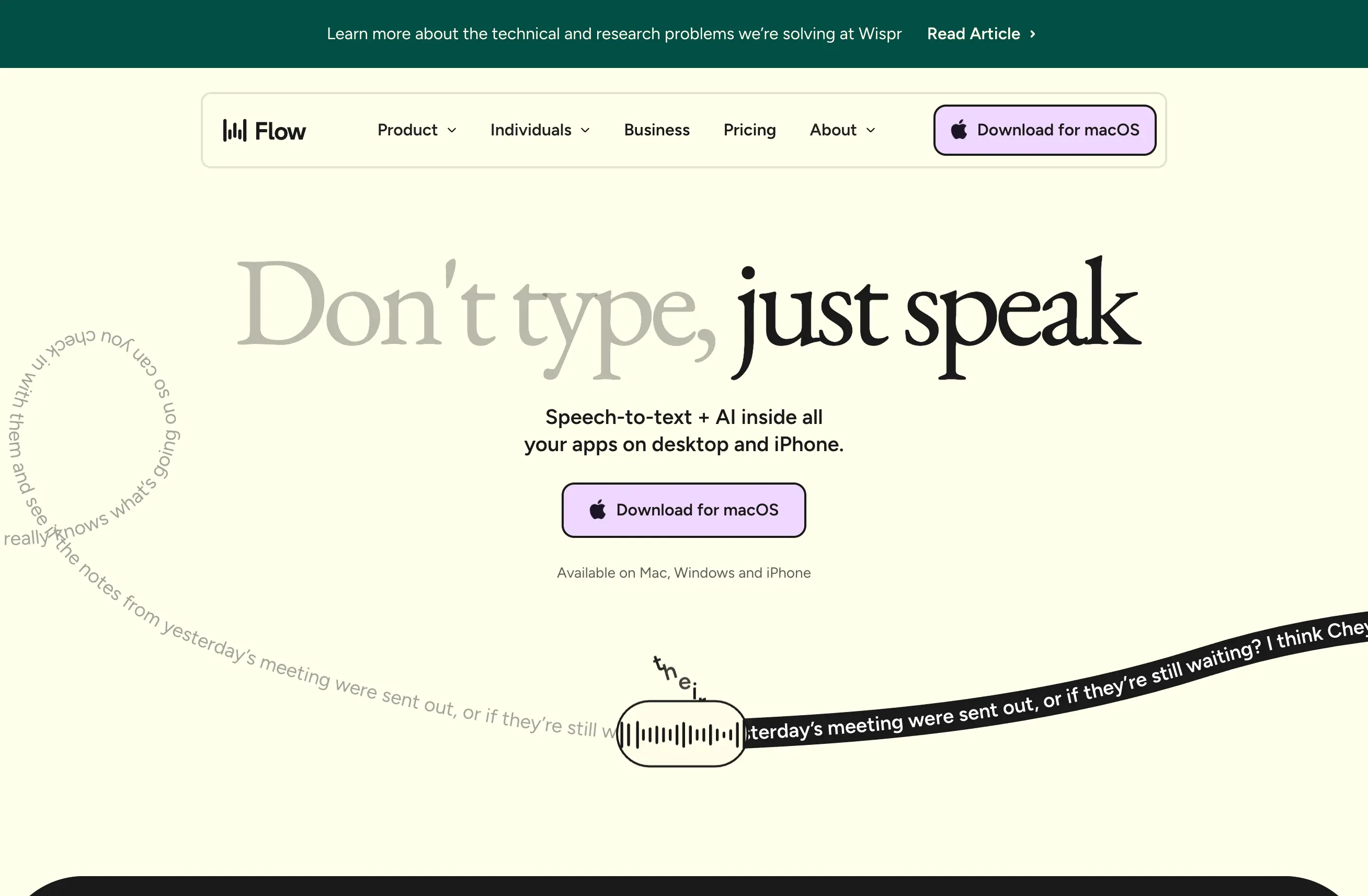
WisprFlow for Legal Professionals
WisprFlow offers several features particularly relevant for legal applications:
Legal vocabulary training: Custom dictionaries for legal terminology, case names, and court-specific language Speaker identification: Advanced algorithms to distinguish between judges, attorneys, witnesses, and other participants Punctuation intelligence: Automatic formatting that understands legal document structure Security features: Local processing options for sensitive proceedings Integration capabilities: Export to legal document formats and case management systems
Professional-Grade Alternatives
Verbit: Specialized in legal transcription with human verification layers Rev: Offers both AI and human transcription services for legal clients Otter.ai: Business-focused with features useful for depositions and legal meetings Dragon Legal: Traditional speech recognition specifically designed for legal professionals
Hybrid Approaches: AI + Human Expertise
The most promising developments in court reporting combine AI technology with human oversight:
AI-Assisted Stenography
Real-time backup: AI provides secondary transcription to catch potential stenographer errors Quality assurance: Cross-reference AI and human transcripts for enhanced accuracy Speed assistance: AI helps maintain pace during particularly fast or complex proceedings Terminology support: AI provides suggestions for technical terms or proper nouns
Human-Verified AI Transcription
Initial AI processing: AI creates first-pass transcription of proceedings Professional review: Certified court reporters review and correct AI output Quality standards: Maintains legal accuracy requirements through human oversight Cost efficiency: Reduces time required for manual transcription while preserving accuracy
Remote Court Reporting
Digital court reporters: Professionals who manage AI transcription remotely Multi-jurisdiction coverage: One reporter can cover proceedings in different locations Specialized expertise: Focus on complex cases that require human oversight Technology integration: Skilled use of AI tools to enhance traditional reporting
Practical Applications in Different Legal Settings
Courtroom Proceedings
Trial transcription: Full proceedings with speaker identification and legal formatting Hearing documentation: Efficient capture of routine hearings and motions Jury selection: Accurate record-keeping during voir dire processes Settlement conferences: Confidential proceedings with secure transcription
Depositions
Remote depositions: AI transcription for video depositions and virtual proceedings Exhibit integration: Coordination between transcription and document presentation Real-time delivery: Immediate transcript availability for attorney review Multiple format output: Transcripts in various formats for different legal software
Legal Meetings and Consultations
Client interviews: Accurate documentation of client communications Attorney-client conferences: Secure transcription for privileged conversations Case preparation: Meeting notes and strategy session documentation Expert witness interviews: Detailed capture of technical testimony preparation
Professional Development for Court Reporters
Court reporters and stenographers can adapt to the changing landscape by:
Technology Integration Skills
AI tool proficiency: Learning to operate and optimize AI transcription systems Quality assurance: Developing skills in reviewing and correcting AI-generated transcripts Multi-platform expertise: Working with various legal software and case management systems Remote work capabilities: Managing digital court reporting assignments
Specialization Opportunities
Complex case expertise: Focusing on high-stakes proceedings requiring human oversight Technical subject matter: Developing expertise in patent law, medical malpractice, or other specialized areas Training and consultation: Teaching other legal professionals to use AI transcription tools Quality assurance specialization: Becoming an expert in AI transcript review and correction
Business Model Evolution
Hybrid service offerings: Combining traditional stenography with AI-assisted transcription Technology consultation: Advising courts and law firms on transcription technology adoption Training services: Teaching other court reporters to integrate AI tools Quality assurance services: Providing expert review of AI-generated transcripts
Regulatory and Ethical Considerations
The integration of AI in court reporting raises important questions:
Accuracy Standards
Legal requirements: Maintaining existing accuracy standards for court transcripts Liability questions: Determining responsibility for transcription errors Quality assurance protocols: Establishing standards for AI transcript review Certification processes: Updating professional certification for AI-assisted reporting
Privacy and Security
Confidentiality protection: Ensuring attorney-client privilege in AI processing Data security: Protecting sensitive legal information in cloud-based systems Access controls: Managing who can access and modify AI transcripts Retention policies: Establishing appropriate data storage and deletion practices
Professional Standards
Continuing education: Requirements for learning AI transcription technologies Ethical guidelines: Professional standards for AI-assisted court reporting Quality control: Maintaining professional standards with technological assistance Industry certification: Updating professional certifications for modern practice
Future of Court Reporting
The court reporting profession is evolving rather than disappearing:
Enhanced Accuracy
Multi-modal verification: Combining stenography, AI transcription, and audio recording Real-time quality control: Immediate error detection and correction systems Continuous improvement: AI systems that learn from human corrections Specialized training: AI models trained specifically on legal proceedings
Expanded Accessibility
Remote proceedings: AI enabling accurate transcription of virtual court sessions Multi-language support: Real-time translation for diverse legal proceedings Accessibility features: Enhanced support for hearing-impaired participants Cost reduction: Making accurate transcription available to more legal proceedings
Professional Evolution
Hybrid expertise: Court reporters skilled in both traditional and AI methods Quality assurance specialists: Professionals focused on reviewing AI transcripts Technology trainers: Experts in implementing AI tools in legal settings Consulting roles: Advising legal organizations on transcription technology adoption
Getting Started with AI Voice Tools
For court reporters and legal professionals interested in exploring AI transcription:
- Evaluate current needs: Assess which types of proceedings would benefit most from AI assistance
- Research available tools: Compare features, accuracy, and security capabilities of different platforms
- Test with non-critical proceedings: Start with routine hearings or depositions to build familiarity
- Develop quality assurance processes: Create protocols for reviewing and correcting AI transcripts
- Integrate with existing workflows: Connect AI tools with current case management and legal software
The future of court reporting lies in the intelligent combination of human expertise and AI capabilities. By understanding and adapting to these technologies, court reporters can enhance their value to the legal system while maintaining the high standards of accuracy and reliability that justice requires.
AI voice tools represent an opportunity for the court reporting profession to evolve and expand, ensuring that accurate legal transcription remains available to serve the needs of our legal system in an increasingly digital world.
How each tool turns speech into text
The useful difference is where the text appears and how much work remains afterward.
Traditional typing stays precise and familiar for short edits.
WisprFlow dictates into any app with AI formatting, and it is free to try.

Discussion
Giscus