I write to learn, and publish to share.
Technical tutorials, field notes on applied AI, and developer writing from a long stretch shipping production systems. Updated most weeks.
 01 · Essay
The gate has to touch the real system
An agentic terminal, a Mermaid fine-tune, and my context engine ctx. The first two failed because I measured them with instruments I built myself. Verification is paramount, and it has to touch the real system.
 TDD-019 · DRAWING
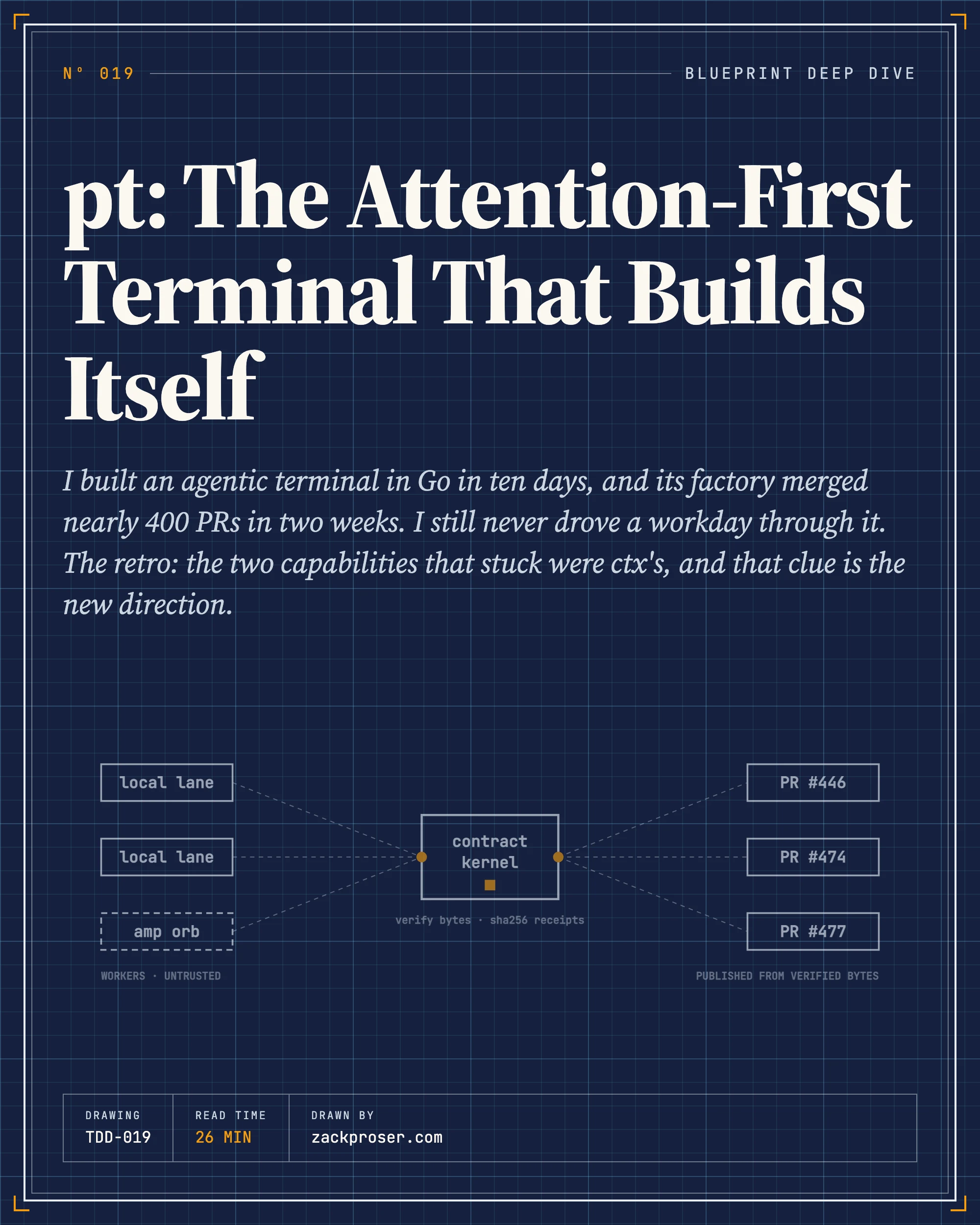
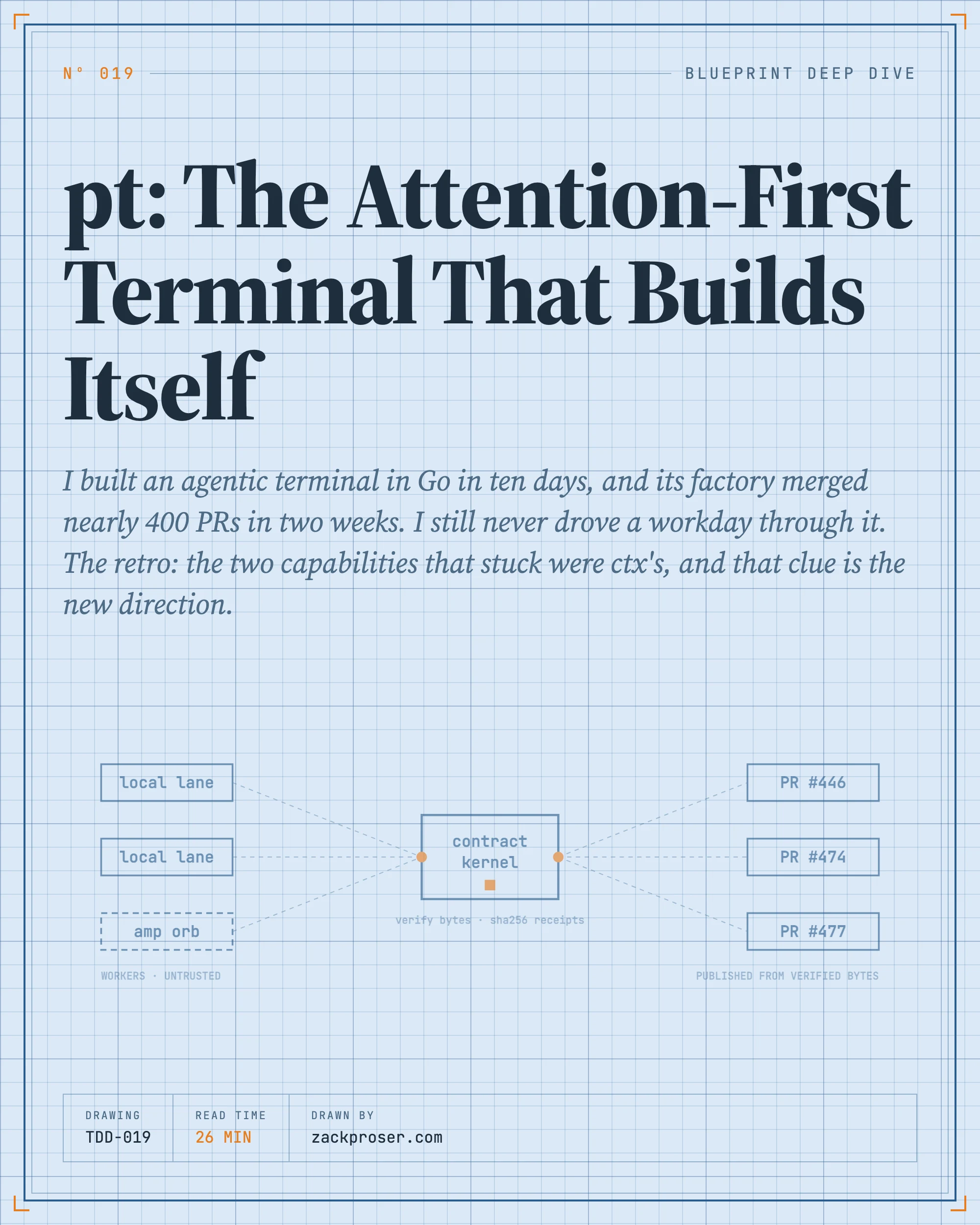
pt: The Attention-First Terminal That Builds Itself
I built pt, an attention-first agentic terminal in Go: durable work contracts, parallel agent lanes with byte-verified delivery, workers on rented orbs. The factory merged nearly 400 PRs in two weeks, and I still couldn't drive my workday through it. This is the blueprint and the retro: what got built, what failed to get traction, the two ctx-backed capabilities that stuck, and the new direction: ctx as a complete, verifiable graph of work that any harness or future model can drive.
 03 · Essay
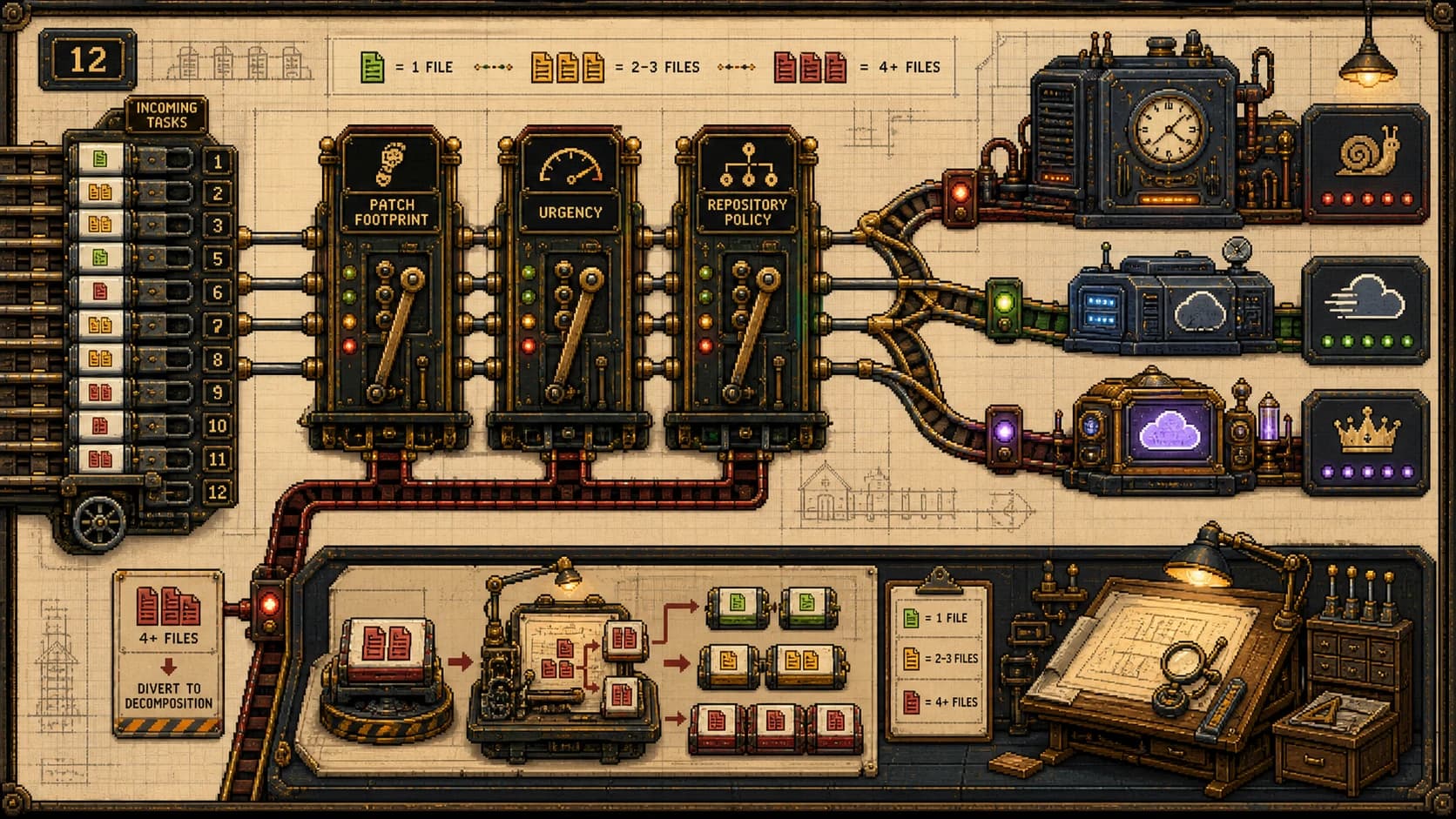
Patch footprint beat model price: the clearest signal in 60 coding-agent runs
The strongest predictor in a 60-run local-vs-cloud coding-agent benchmark wasn't model quality or price — it was patch footprint. Four-plus-file changes fell to 3/7 held-out checks on every route, including the lane that cost 25x more per run. Decomposition, not a bigger model, is the intervention.
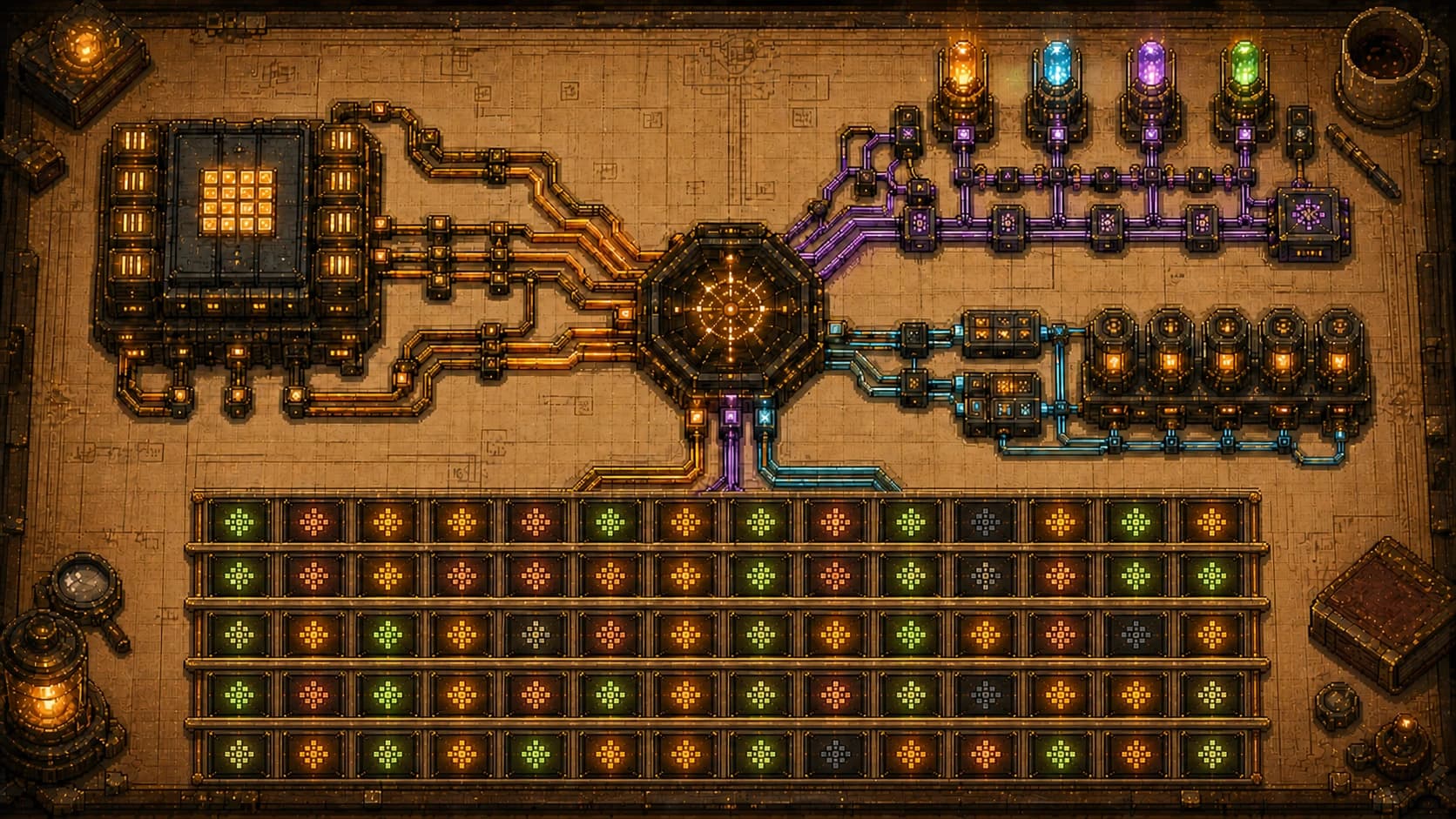
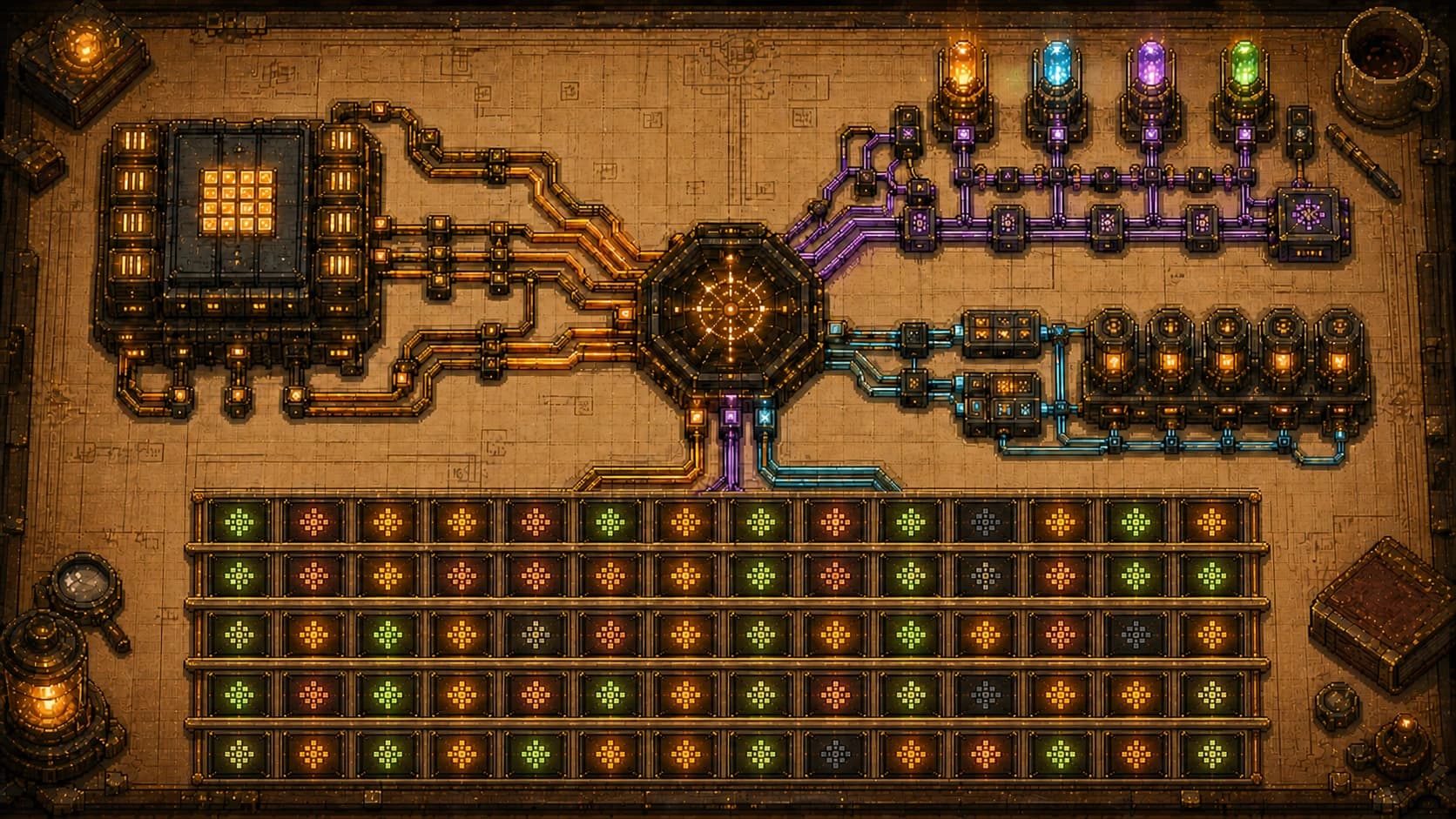 TDD-019 · DRAWING
The Eval Harness: 60 Local and Cloud Coding Runs
A complete record of 60 coding-agent runs across an 80.76 GiB local DeepSeek quant, hosted DeepSeek, and hosted Claude: task design, hidden scorers, repair passes, provider recovery, exact cost, uncertainty, and workload fit.
 05 · Essay
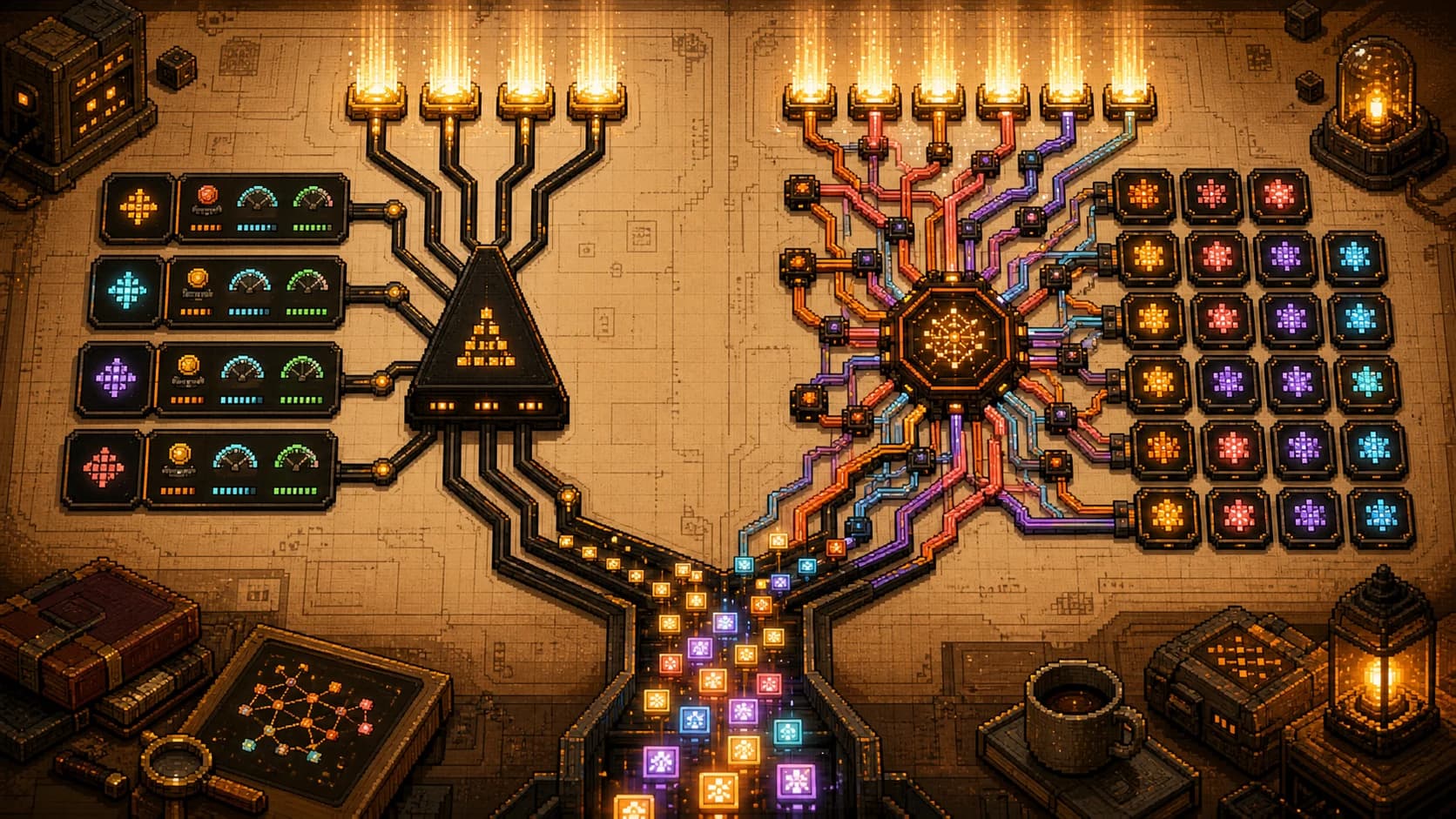
OpenRouter vs Vercel AI Gateway: Cost, Routing, and Model Coverage
A measured comparison of OpenRouter and Vercel AI Gateway across fees, provider redundancy, model catalogs, prompt caching, routing controls, privacy, and developer experience.
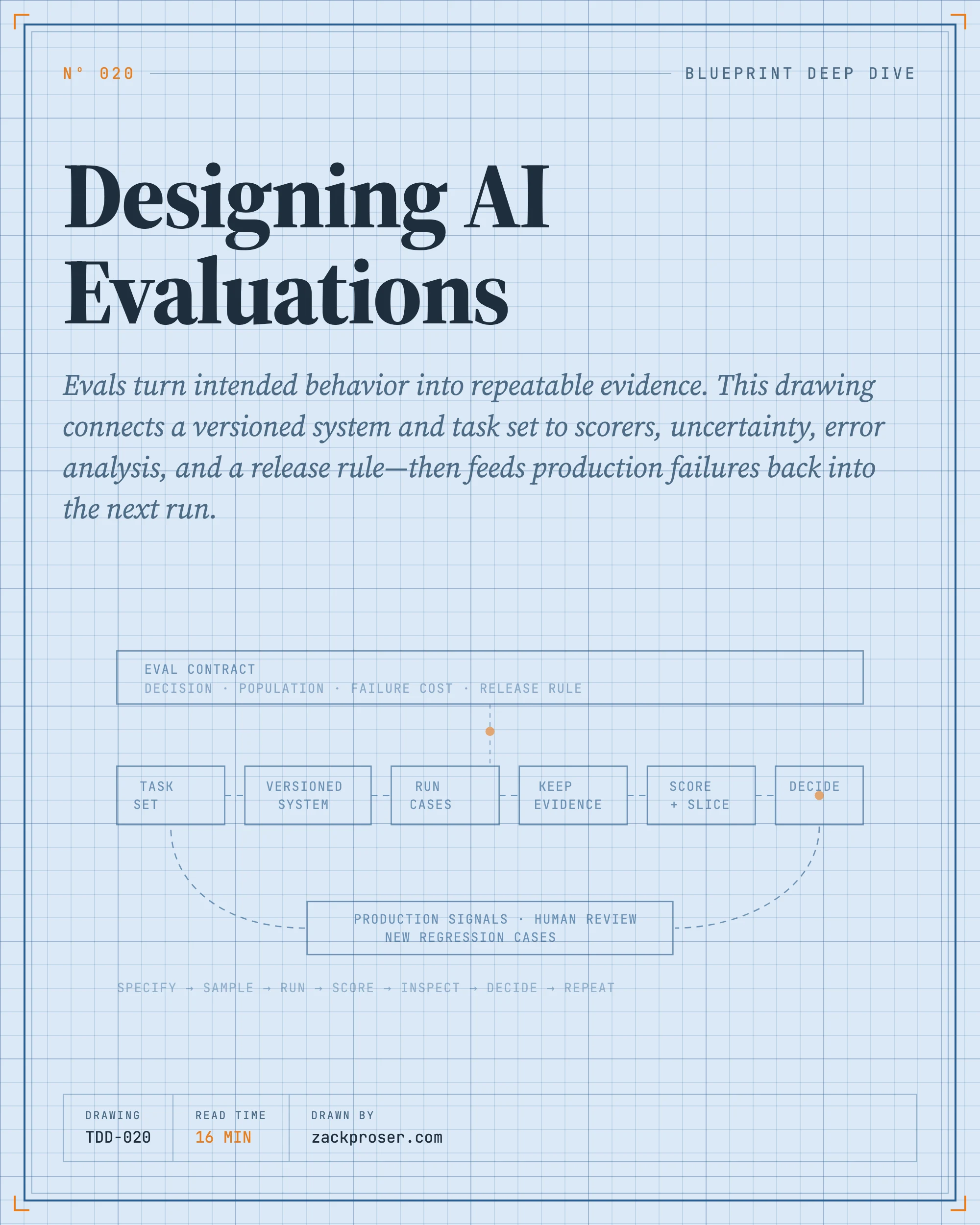 TDD-020 · DRAWING
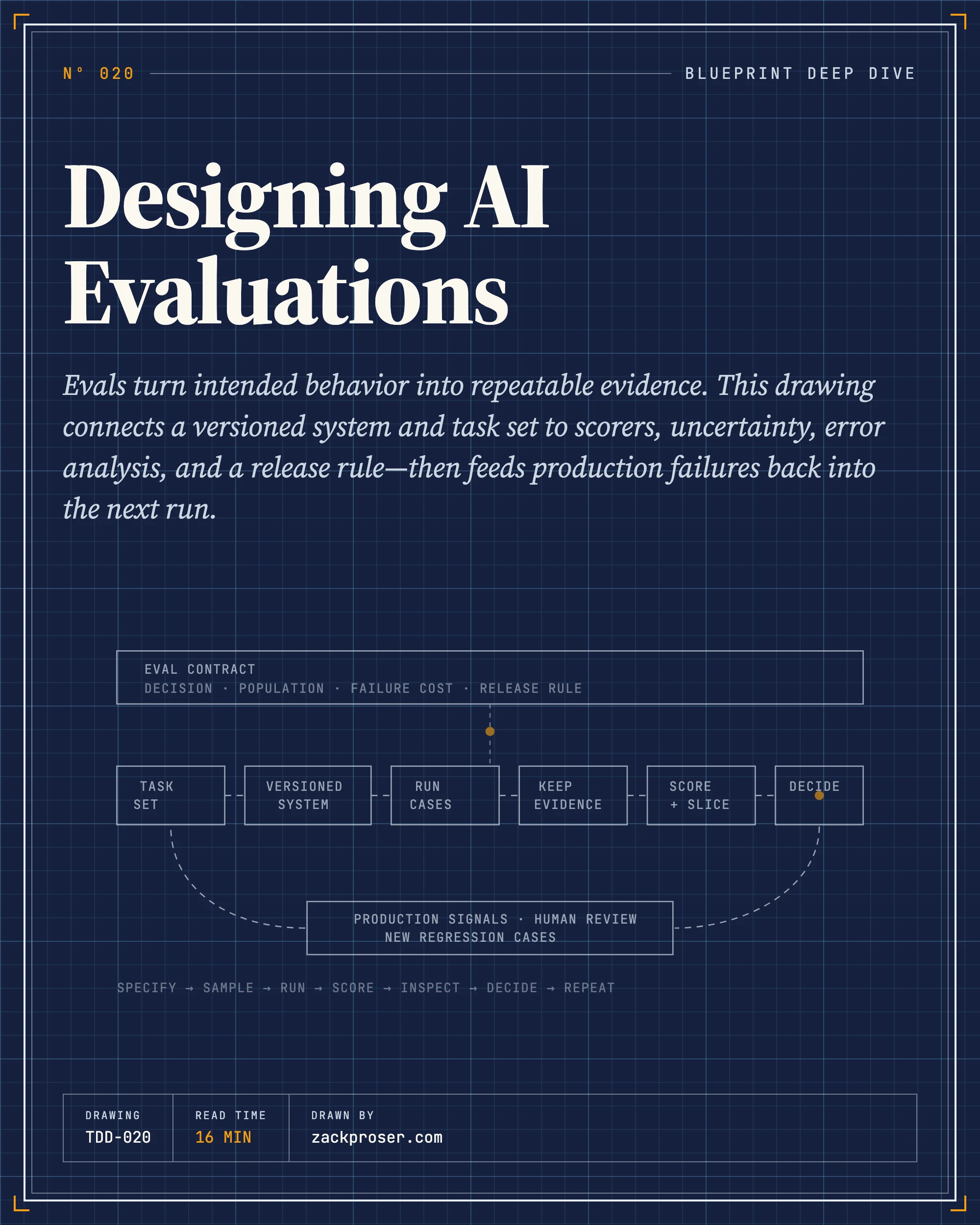
Designing AI Evaluations
A generic blueprint for designing AI evaluations: define the decision, version the system, build representative task sets, choose valid scorers, measure uncertainty, analyze failures, and connect offline tests to production evidence.
 07 · Essay
Practical Advice on Local Inference and Cloud LLMs - August 2026
The short version of two weeks spent measuring local and cloud inference: what a 128 GB MacBook is actually good for, why Vercel's AI Gateway is currently winning my DeepSeek workloads over DeepSeek's own API, which work goes to which model, and the one pricing number to check before comparing any providers.
 08 · Essay
Rightsizing My Agent Spend: From Opus to DeepSeek V4 Flash 0731
Eleven agents on Claude Opus 4.8 were burning more than $150 a week, so I shut them off. Moving the fleet to DeepSeek V4 Flash 0731 cut inference roughly 96x on output — and the same model runs just as well locally on my M5 Max as it does through the Vercel AI Gateway. The model swap was one line per bot; the platform underneath it was the actual work.
 09 · Essay
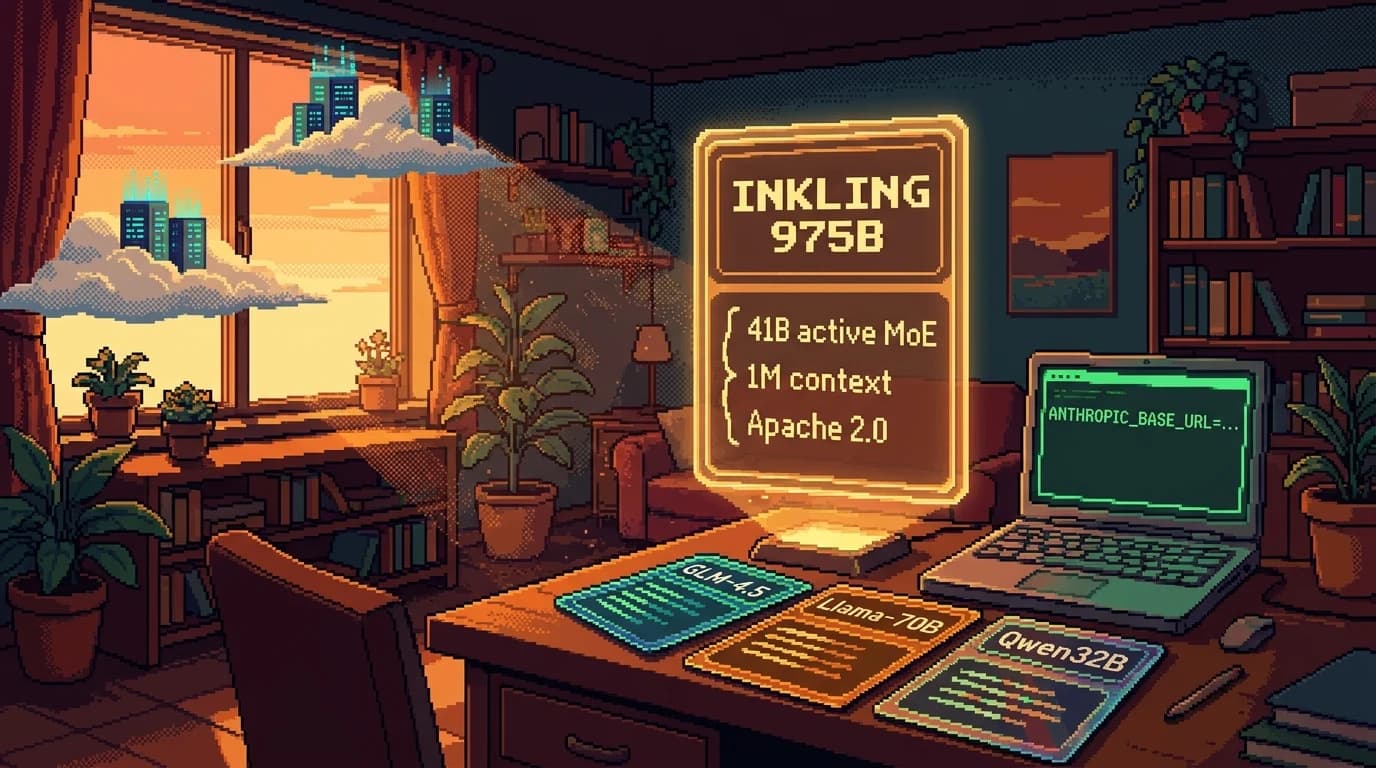
Sampling Thinking Machines’ Inkling and the Alias Pattern
Sampling Thinking Machines’ Inkling through Baseten and Vercel, then using one alias pattern to route Claude Code between private local DeepSeek and the Vercel AI Gateway.
 10 · Essay
Vercel AI Gateway Review: Measured Speed & Pricing (2026)
Two weeks using Vercel AI Gateway for Claude Code: measured cost and latency, plus the model table and alias that make switching models fast.
 TDD-018 · DRAWING
The Price Floor
What does it actually cost to run a frontier-class open model? I measured DeepSeek V4 Flash 0731 across every layer in August 2026: why the same weights run 5x faster in a different inference engine, prefill versus decode, why speculative-decoding gains don't transfer between stacks, measured cloud throughput against the listed figures, the prompt-cache price that dominates agent workloads, the sold-out market for fast inference, and the monthly crossover where a home Blackwell rig beats the API.
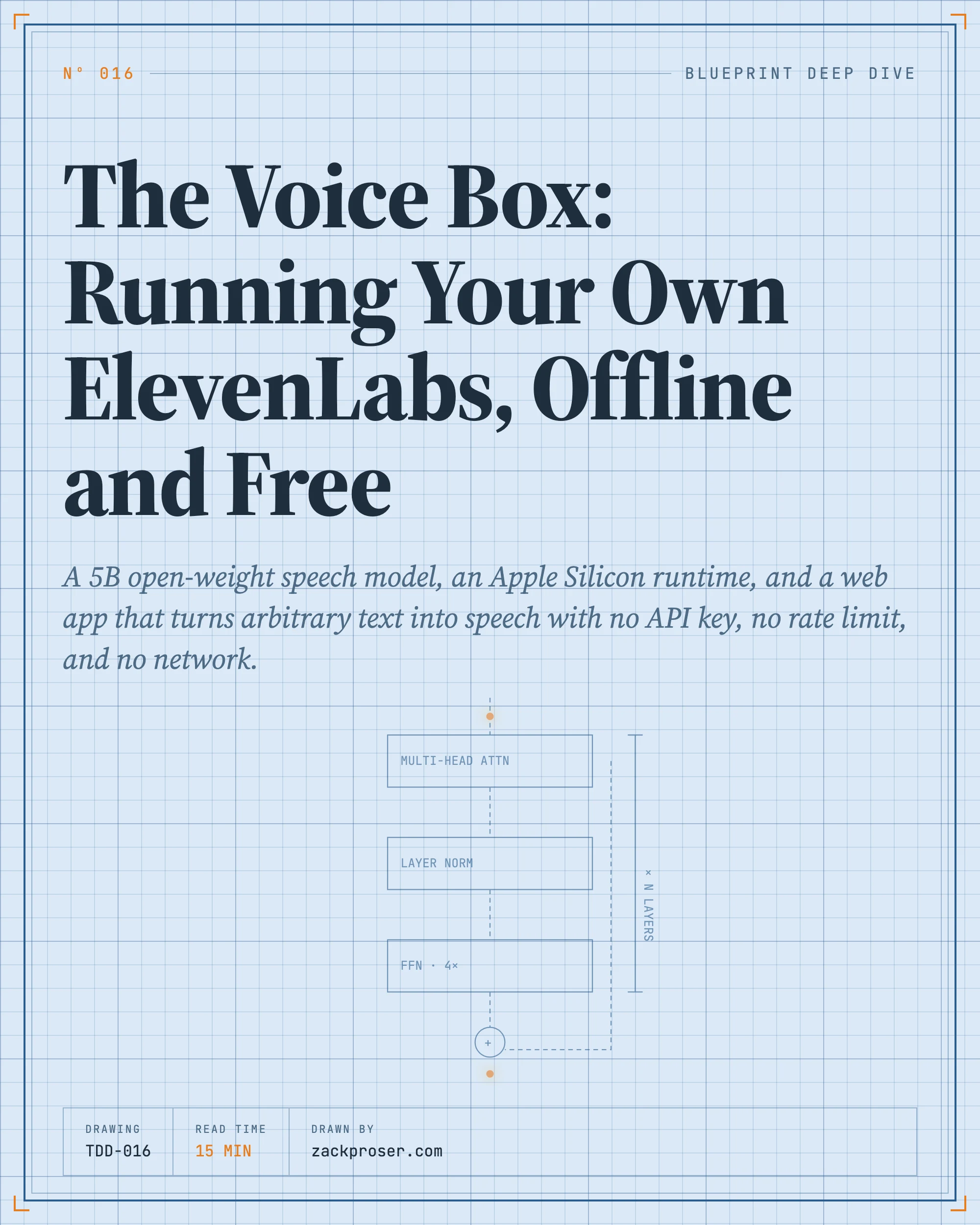 TDD-016 · DRAWING
The Voice Box: Running Your Own ElevenLabs, Offline and Free
Open-weight speech synthesis got good enough to replace a paid API. This is the working drawing for a local text-to-speech studio built on Fish Audio S2 Pro and MLX — every measurement, both bugs, and the discovery that the model ships with no voices at all.
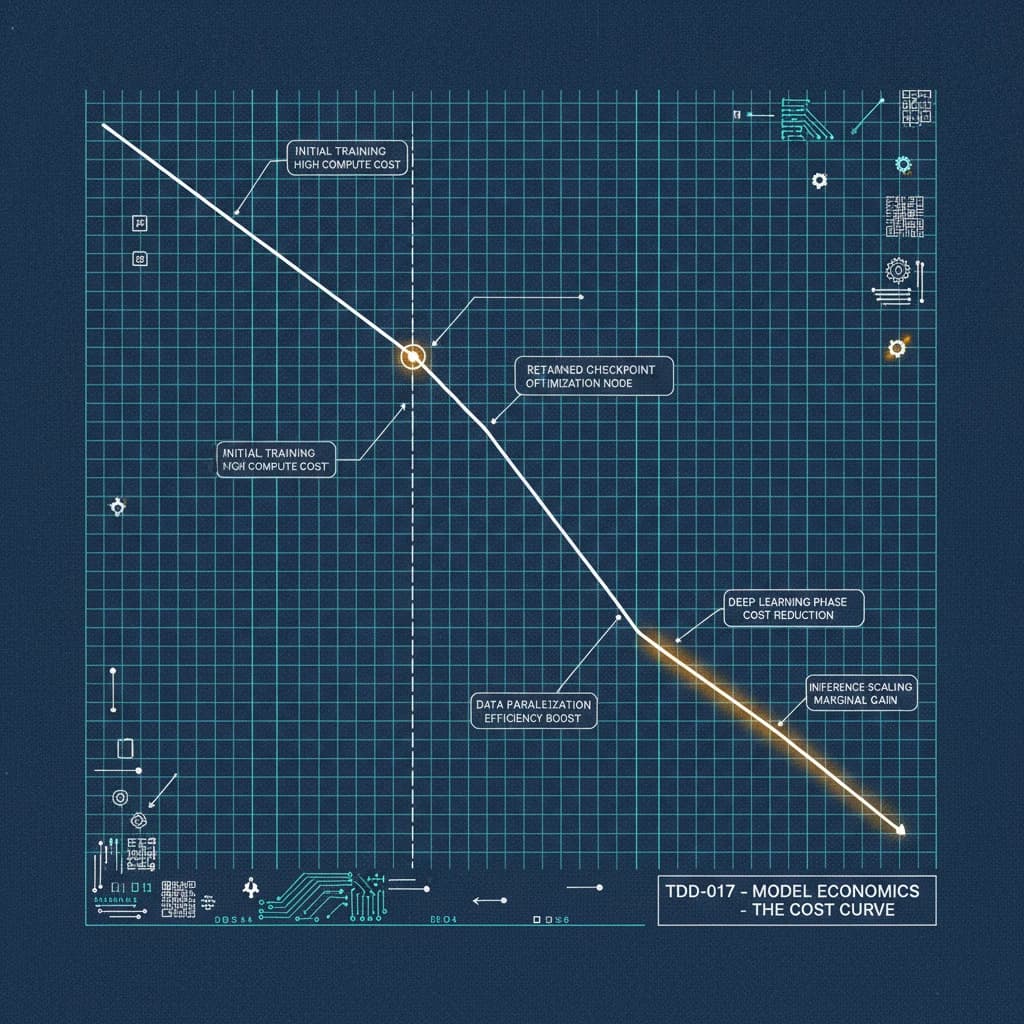
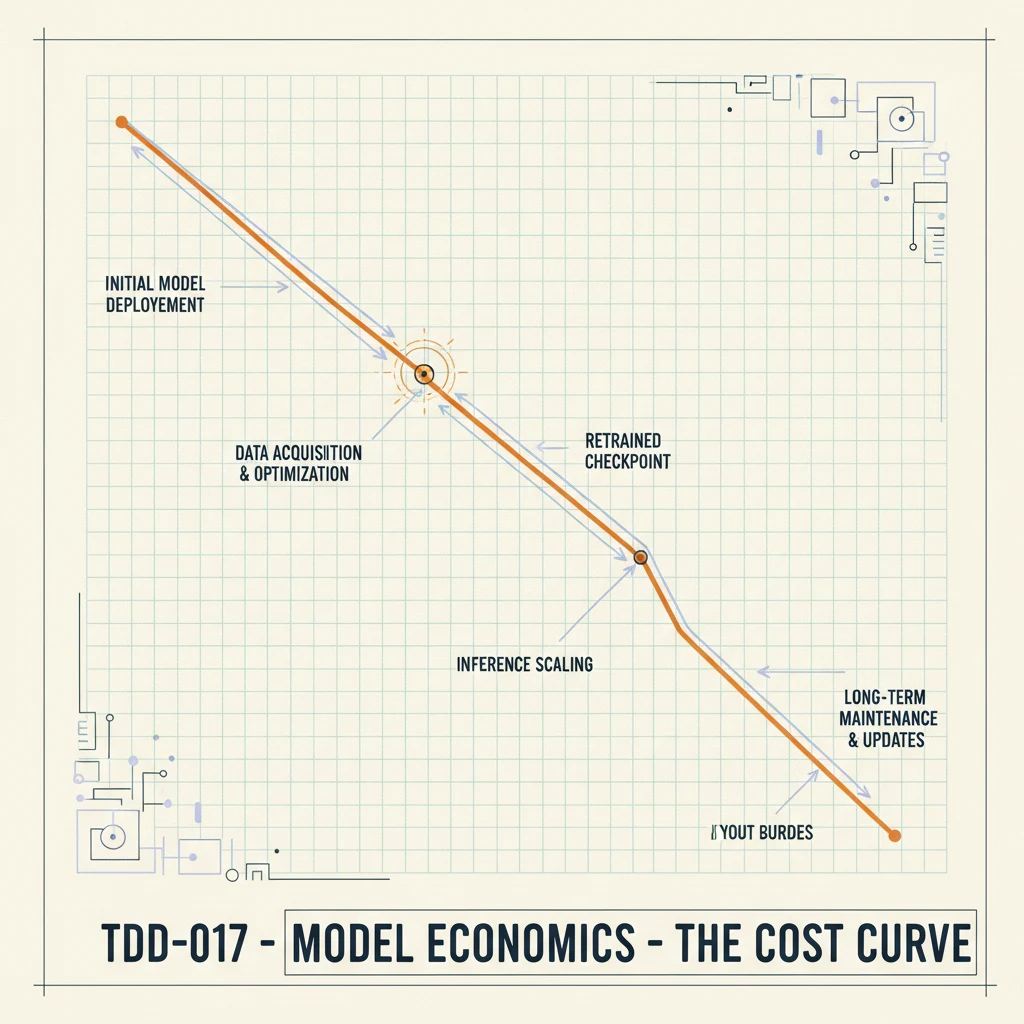 TDD-017 · DRAWING
The Cost Curve
DeepSeek's retrained V4 Flash 0731 moved the model pricing baseline for everyone. This drawing works the full token-dollar ledger: MoE bandwidth arithmetic, quantization, the nine agent benchmarks where a budget model beat the flagship, cache-hit economics, verbosity-adjusted task cost, the price war forcing 80% cuts on the frontier, and the structural trap forcing labs to race their own depreciation curve.
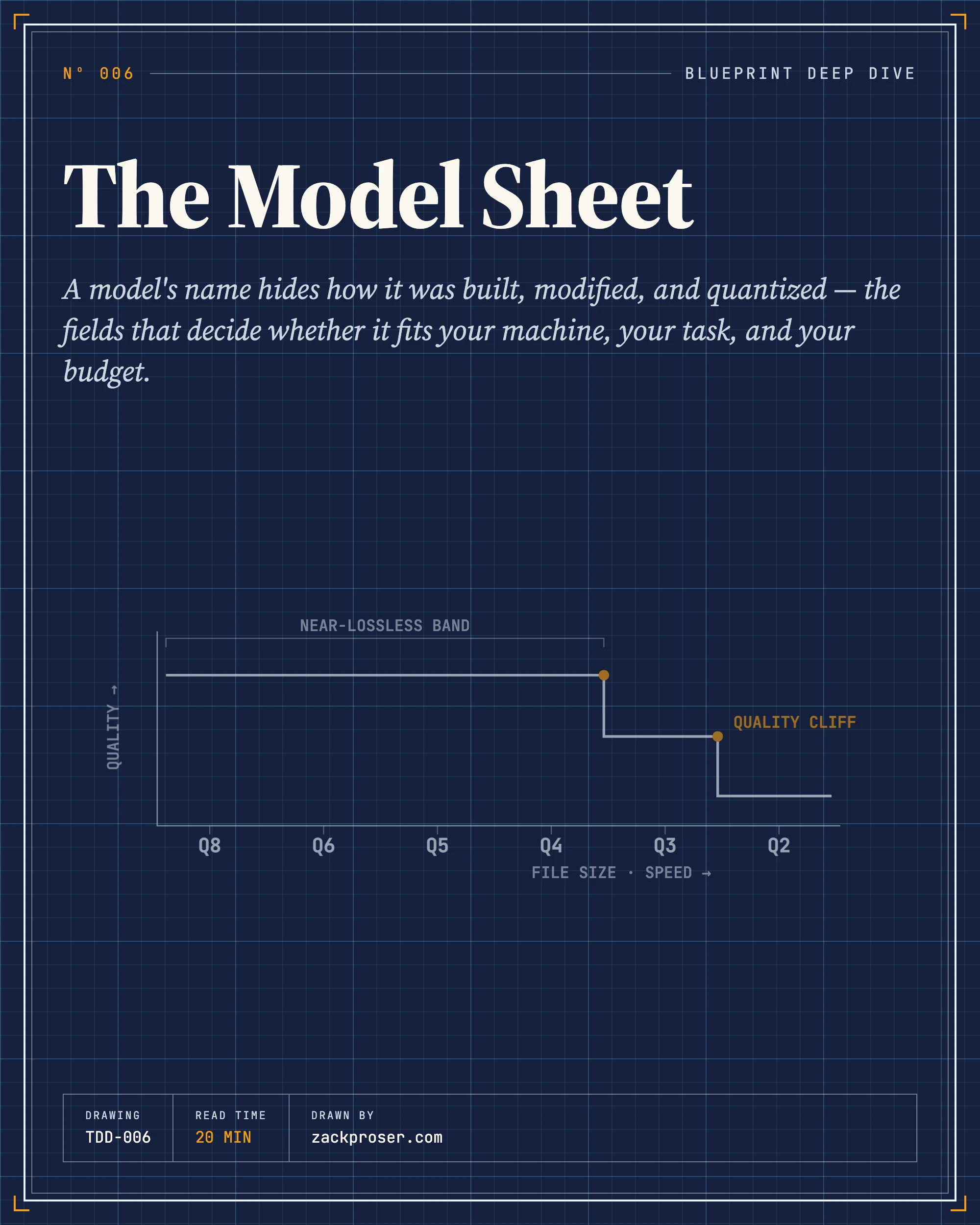
 TDD-006 · DRAWING
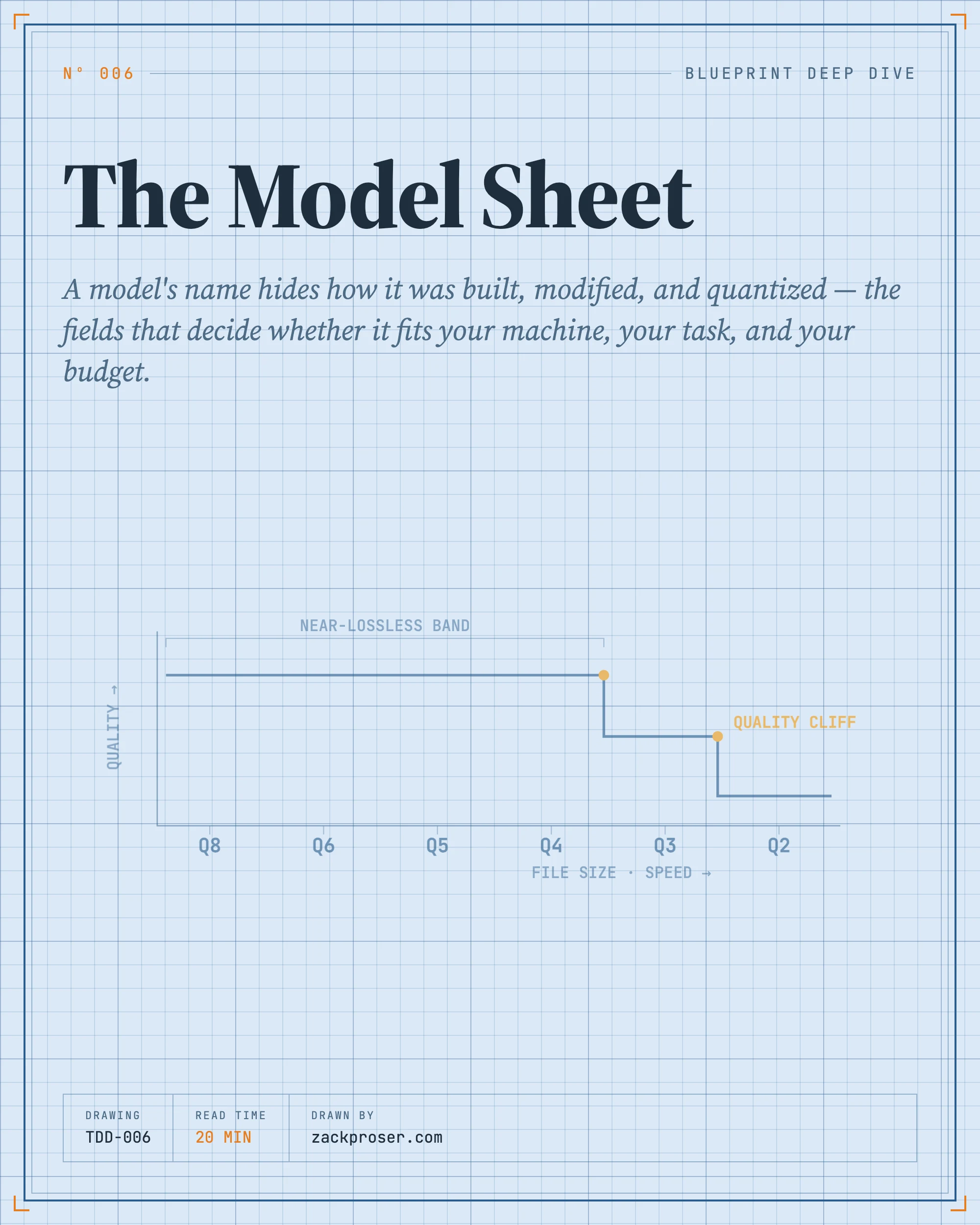
The Model Sheet
A model's name is a datasheet most people never learn to read. This drawing goes field by field — parameters, dense versus MoE, training stage, distillation, abliteration and merges, quantization (GGUF, k-quants, imatrix, GPTQ/AWQ) — then does the memory math that decides what runs locally, sources and vets a model on Hugging Face, and tests it on your own task instead of trusting a benchmark.
 TDD-015 · DRAWING
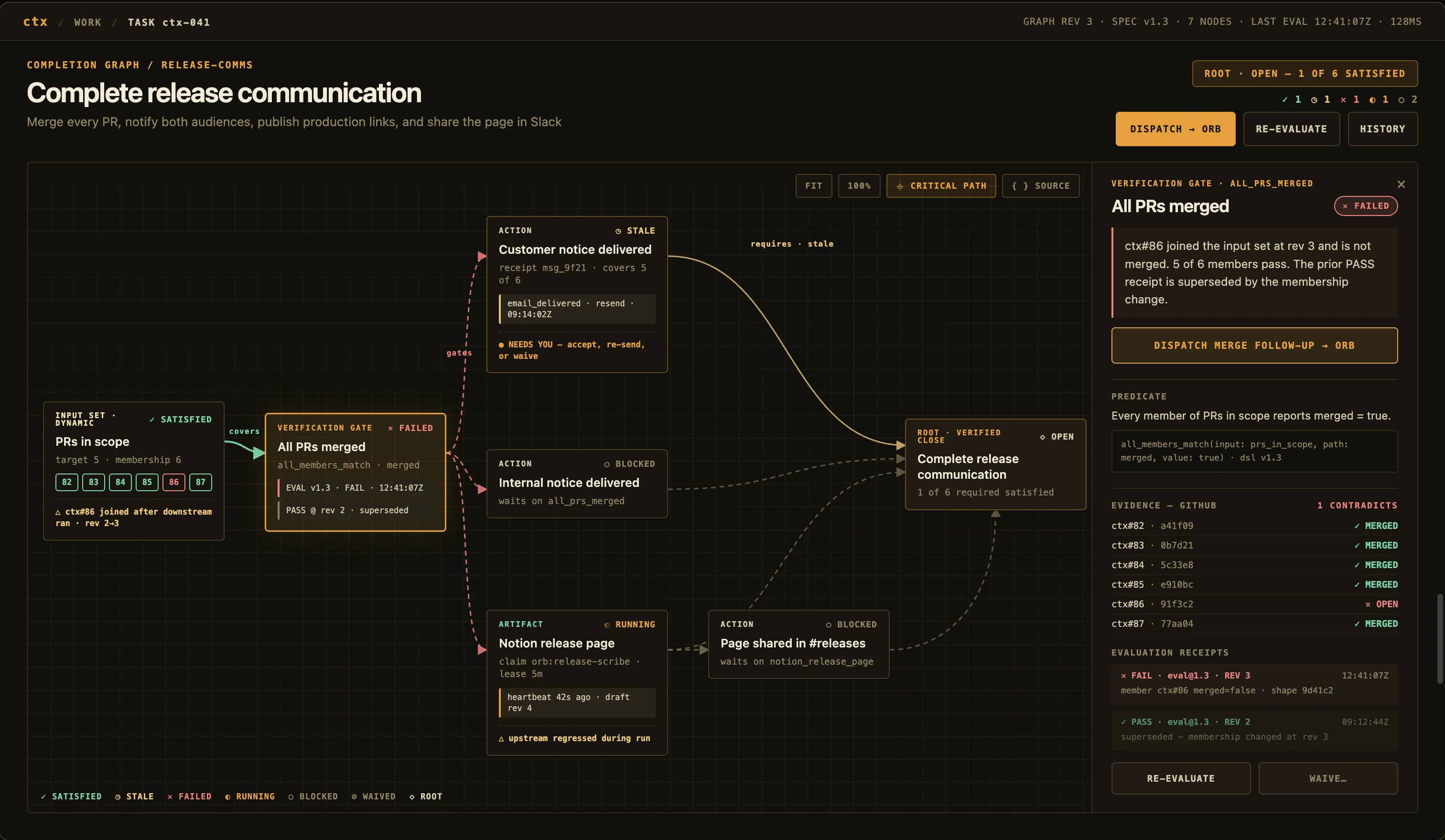
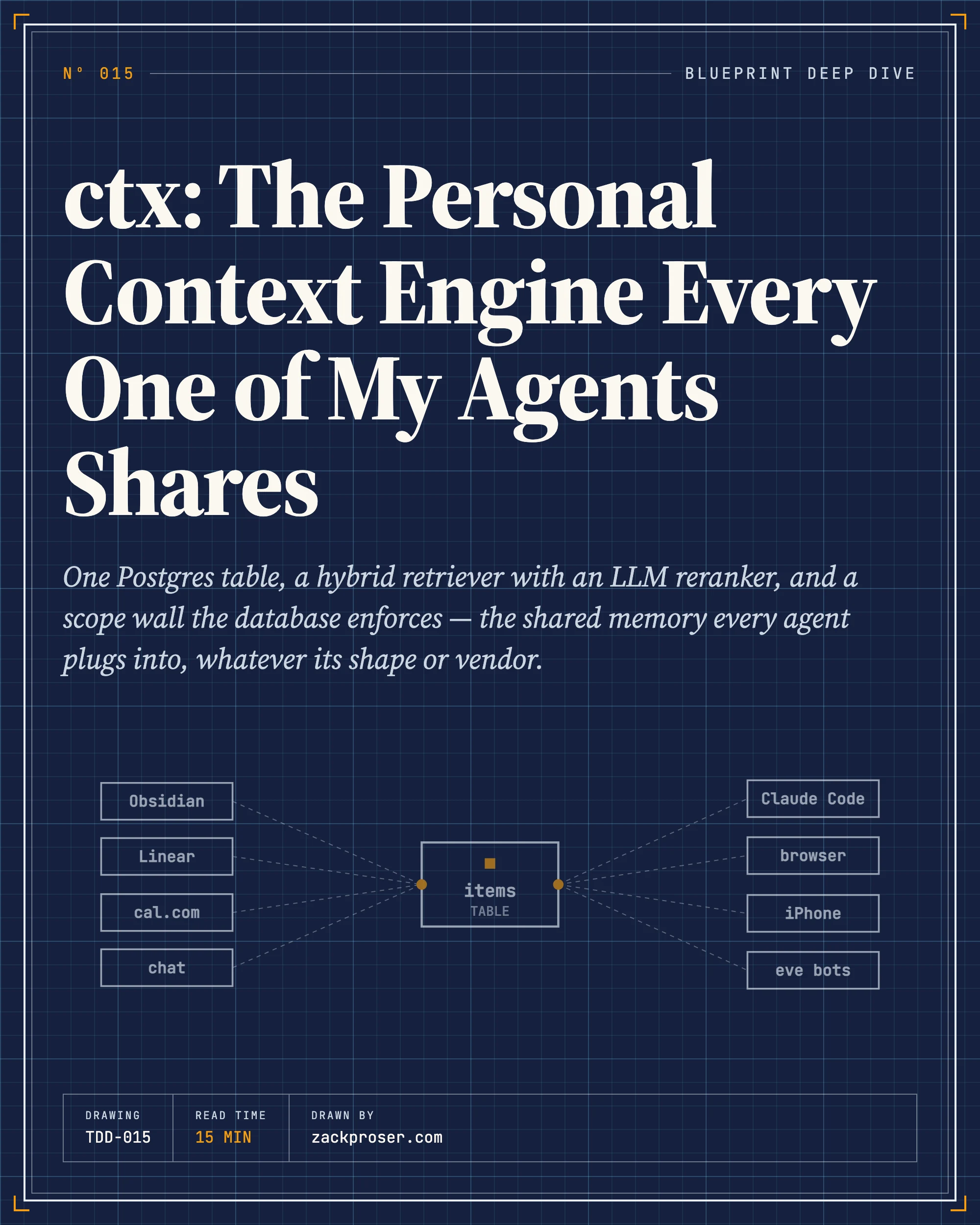
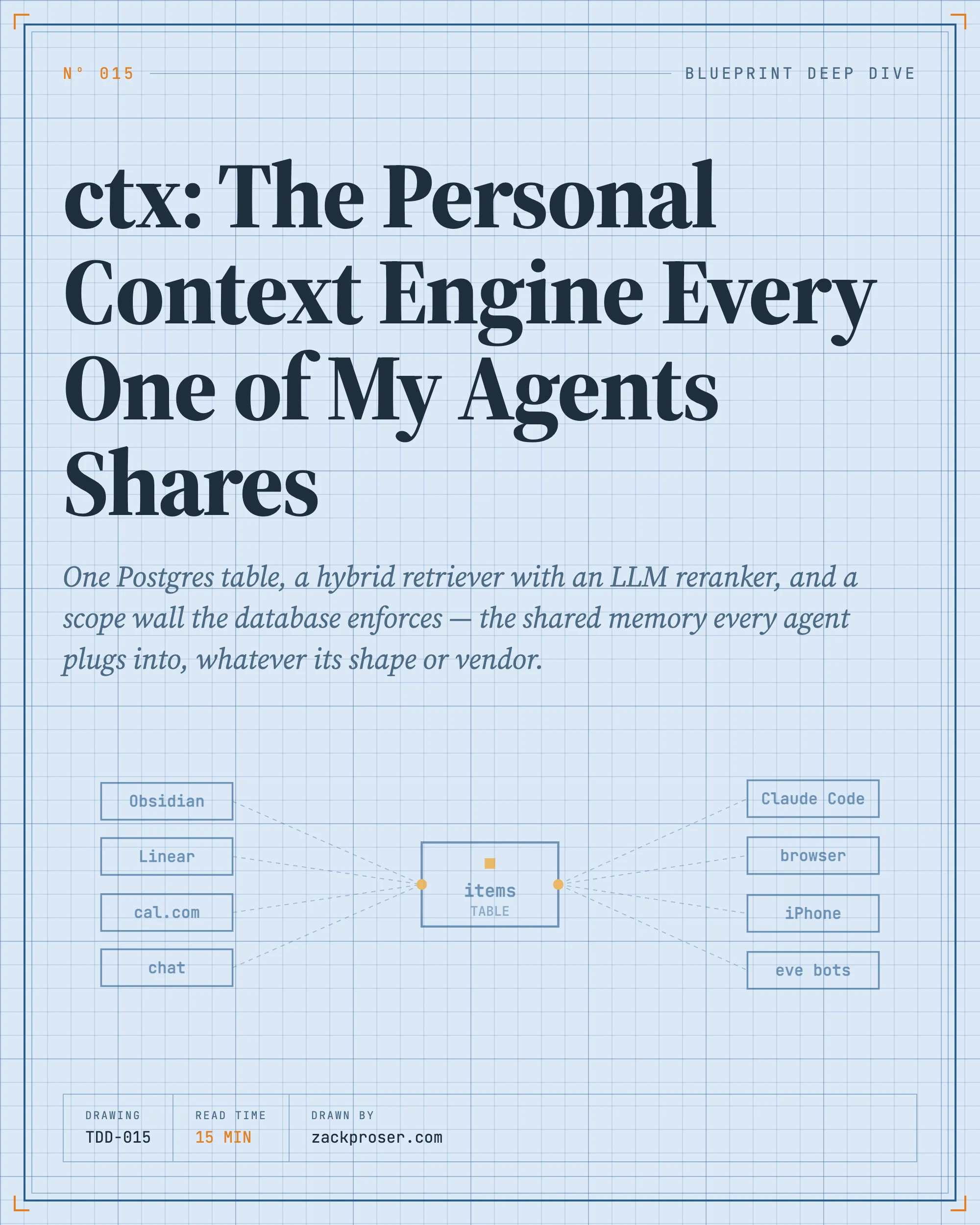
ctx: The Personal Context Engine Every One of My Agents Shares
Every agent I use — terminal, browser, phone, across Anthropic and OpenAI — started every conversation knowing nothing about me. So I built one shared memory they all plug into: a technical blueprint for a provider-agnostic personal context engine — one Postgres table, a hybrid retriever with an LLM reranker, and a scope wall enforced by the database, not by prompts.
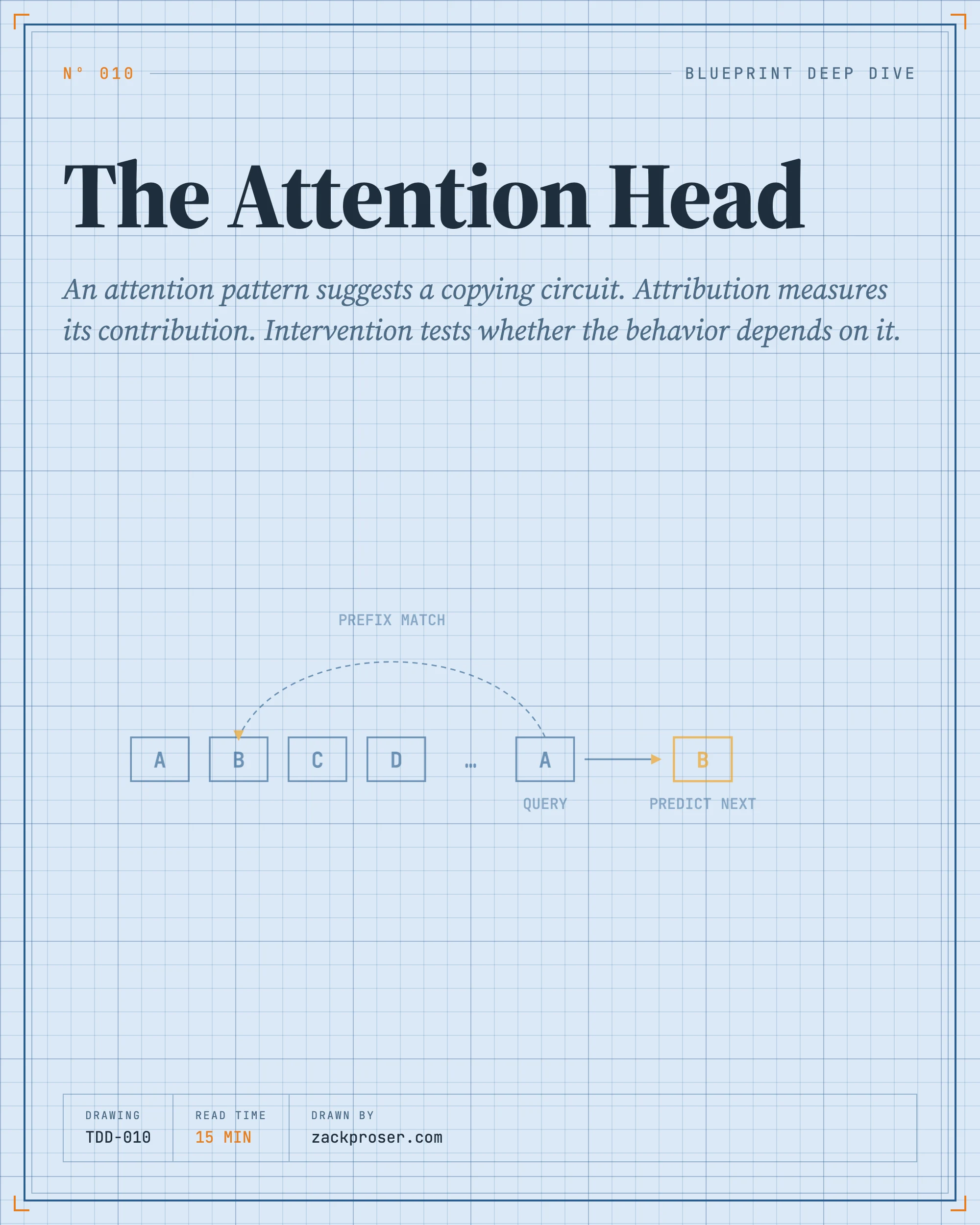 TDD-010 · DRAWING
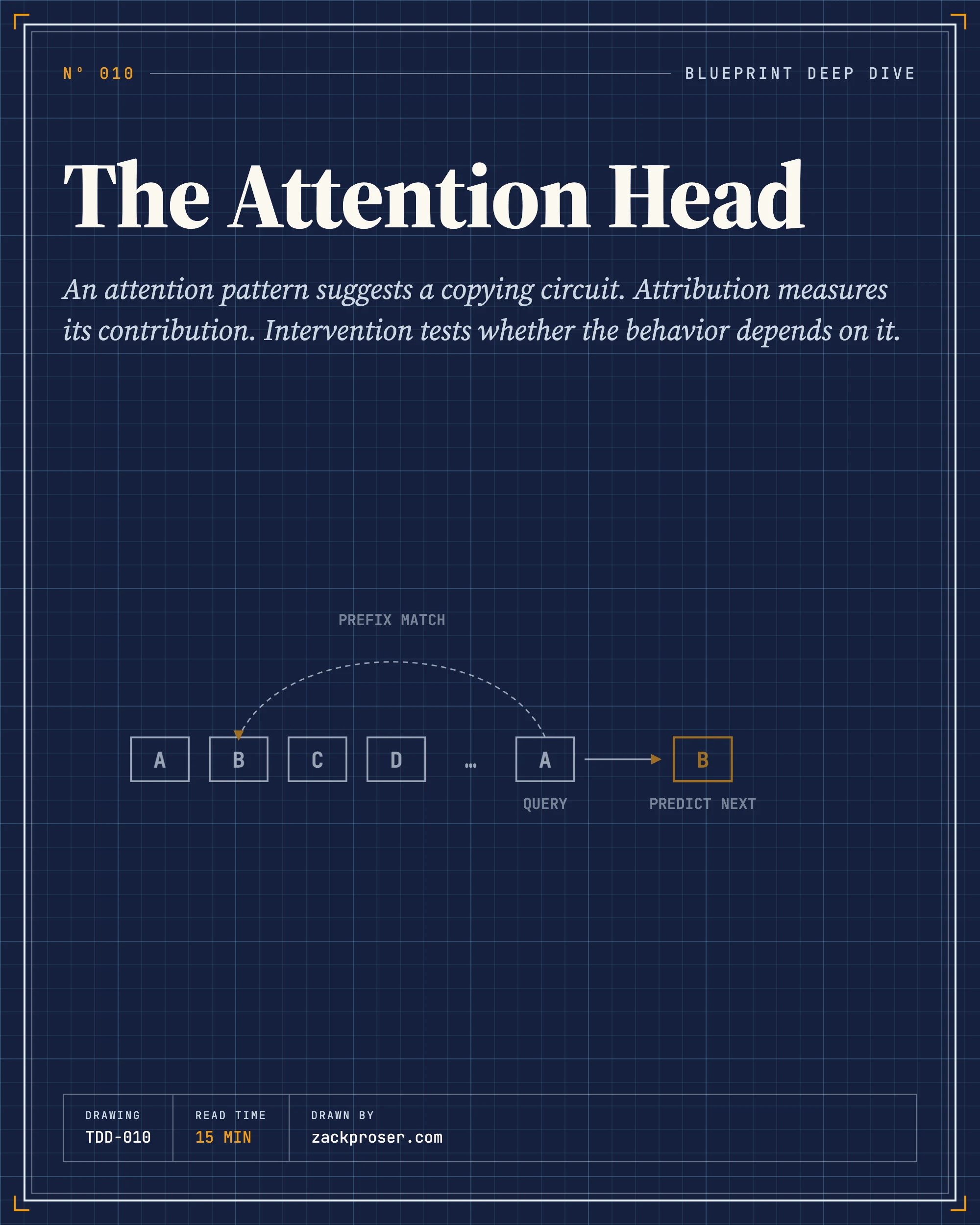
The Attention Head
What is an attention head, and how would you prove one does what you think it does? A from-zero walk through a single head in GPT-2 small: what it reads, what it writes, the copying behavior you can watch in its attention map, and why that picture is the weakest evidence there is — with logit attribution and ablation as the stronger tests.
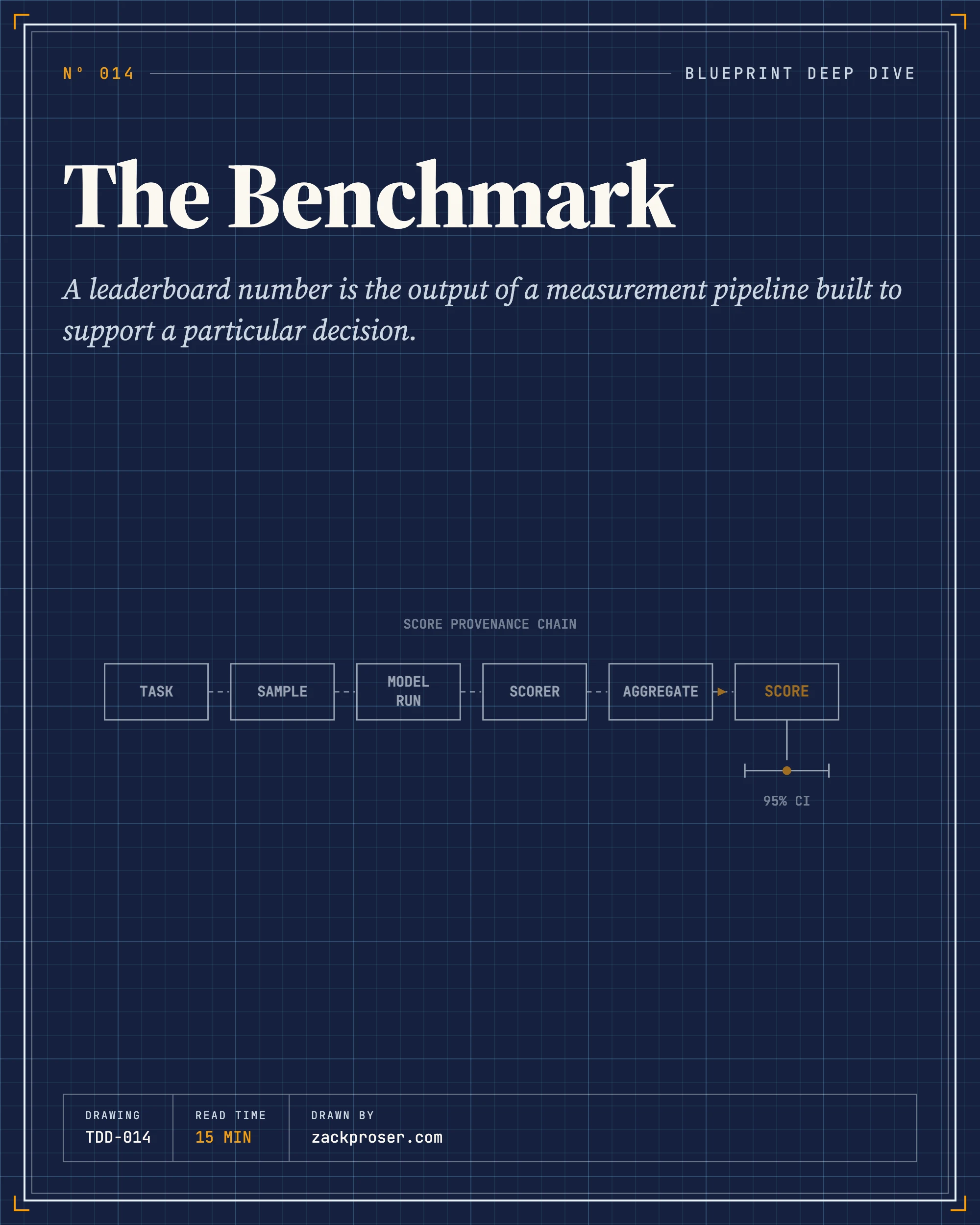
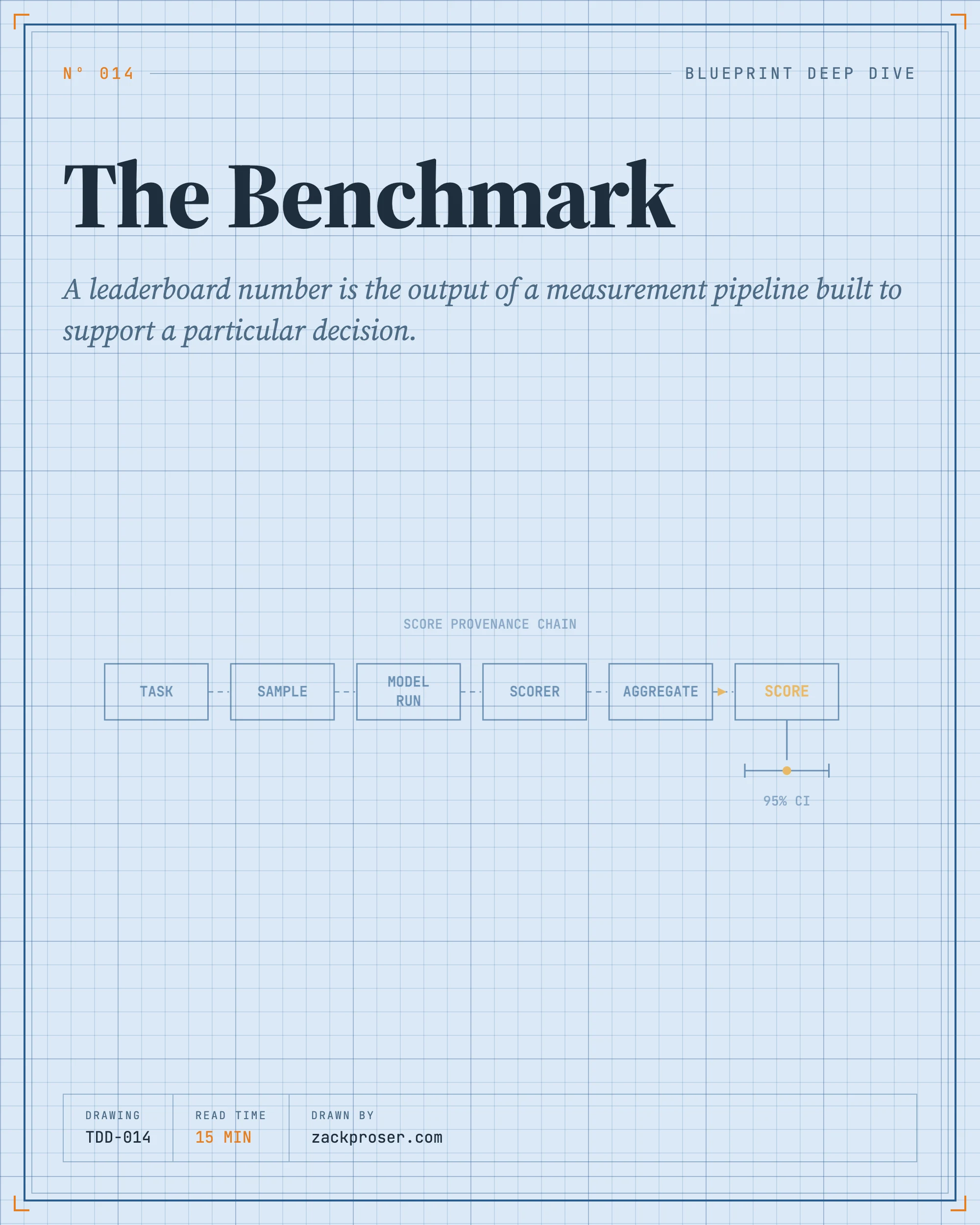 TDD-014 · DRAWING
The Benchmark
A benchmark score is manufactured, and every step leaves a trace. Trace an AI benchmark number back through sampled tasks, prompts, scorers, aggregation, uncertainty, and contamination to the decision it can actually support.
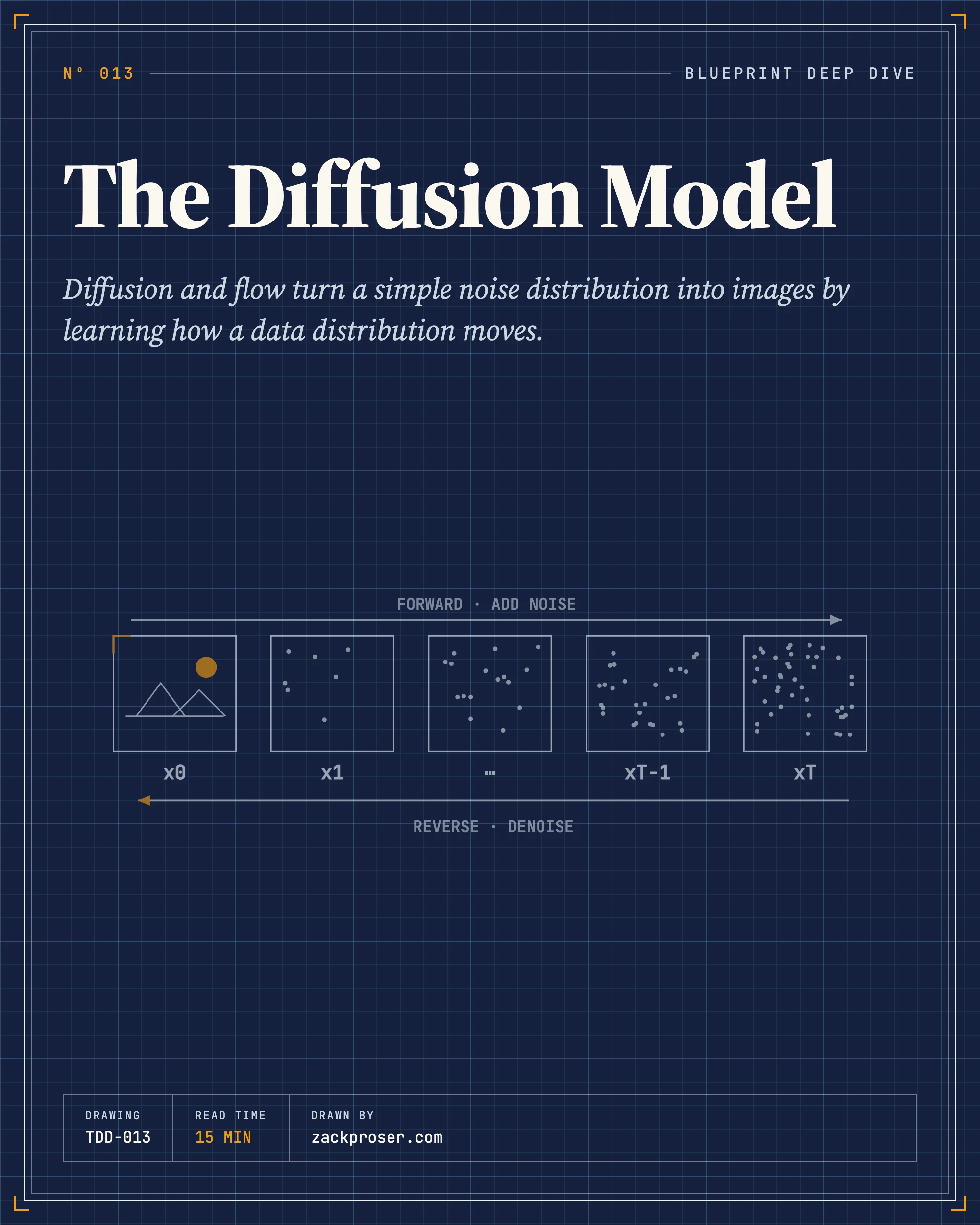
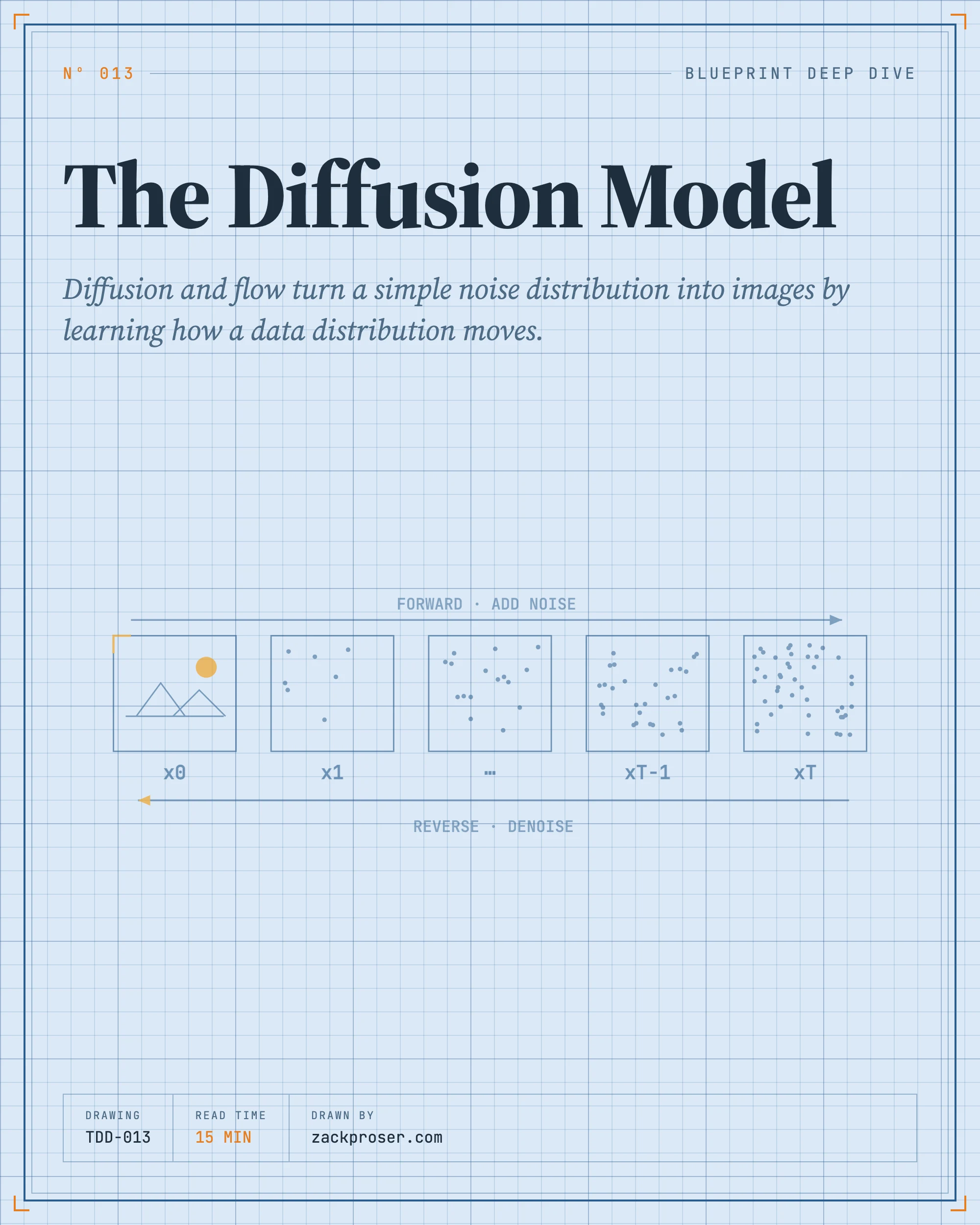 TDD-013 · DRAWING
The Diffusion Model
A coordinate-consistent visual guide to diffusion and flow: forward noise, learned denoising, guidance, latent compression, DiT, sampling, and flow matching.
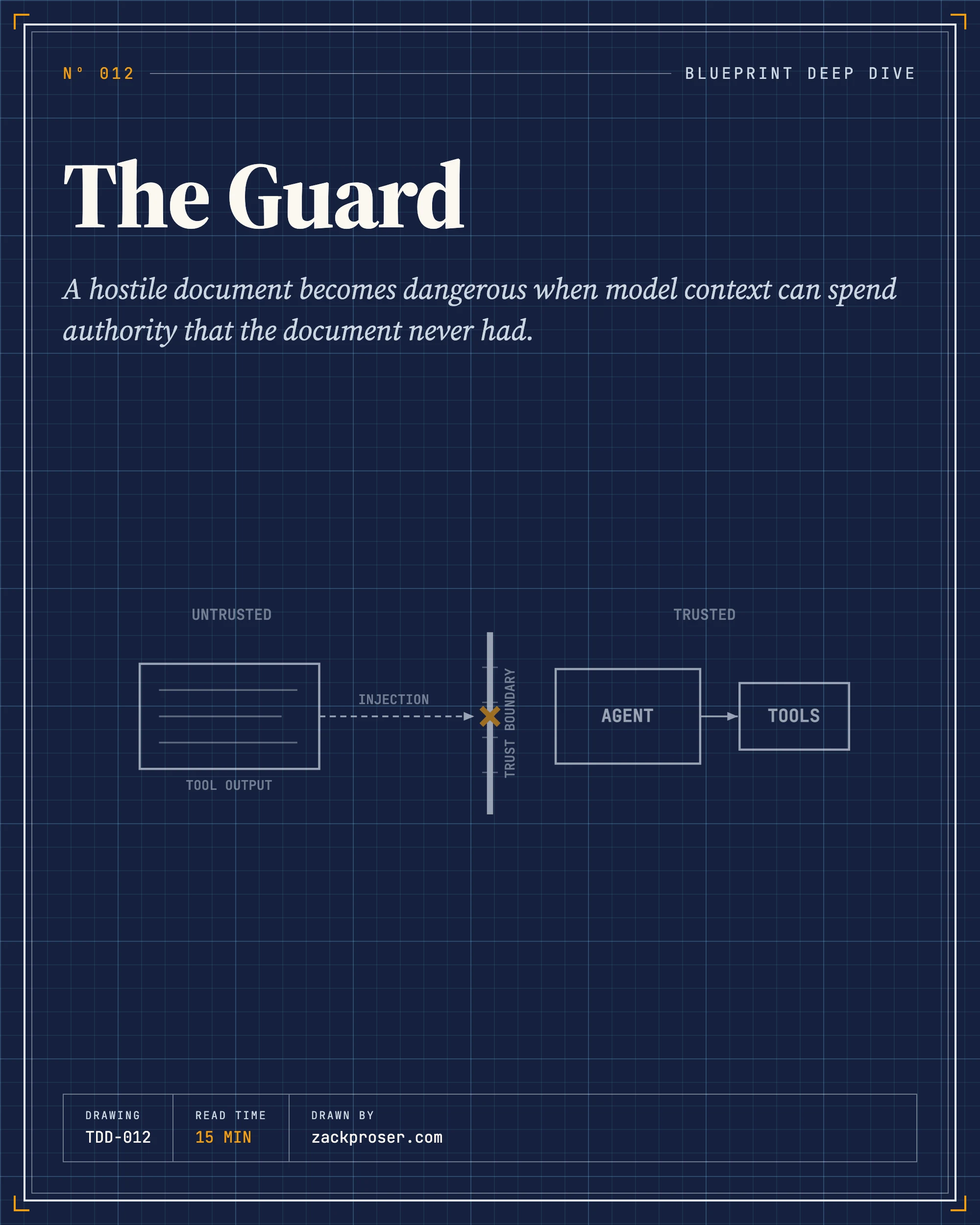
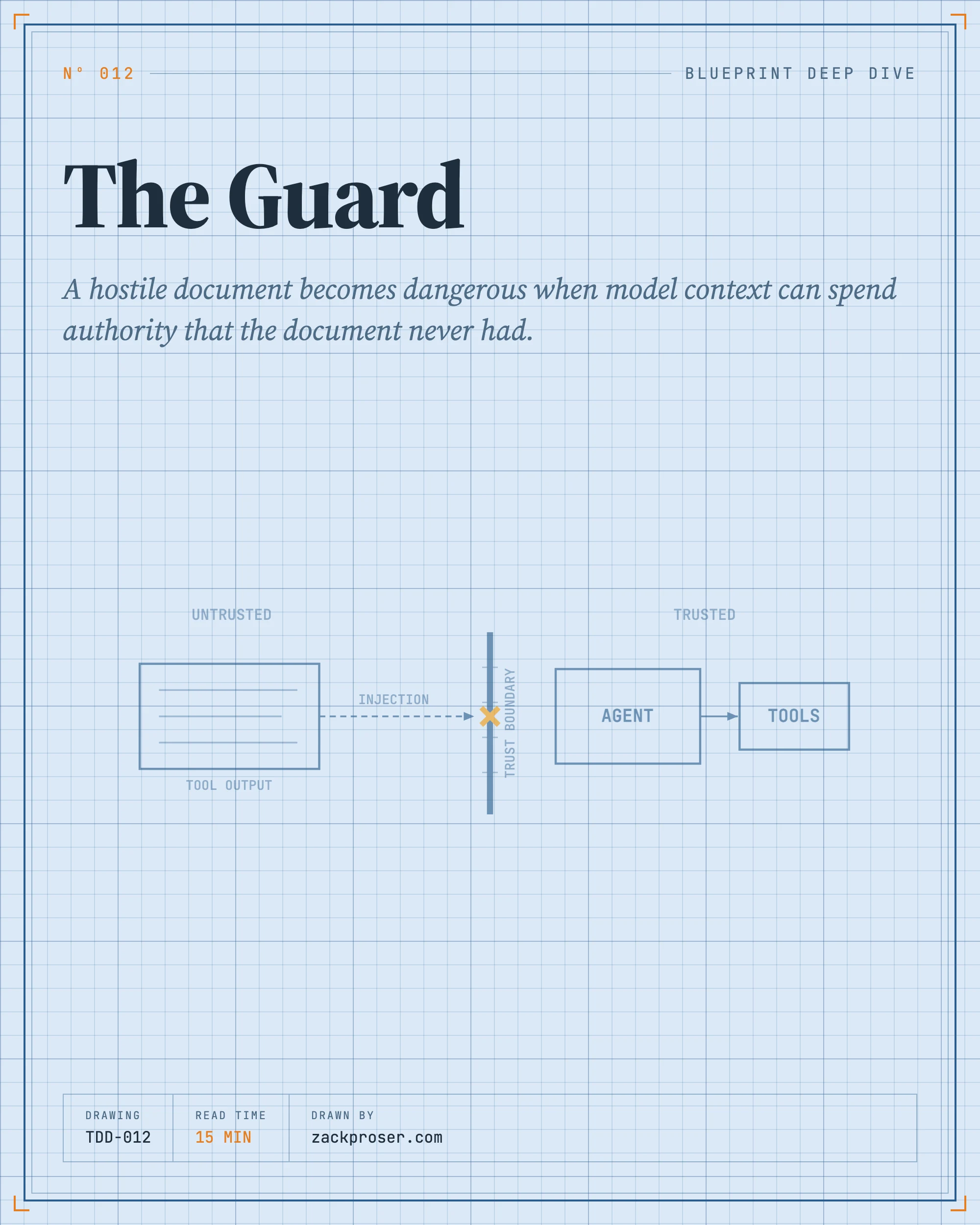 TDD-012 · DRAWING
The Guard
A trust-boundary threat model for prompt injection in tool-using agents, with capability scoping, external authorization, and testable security metrics.
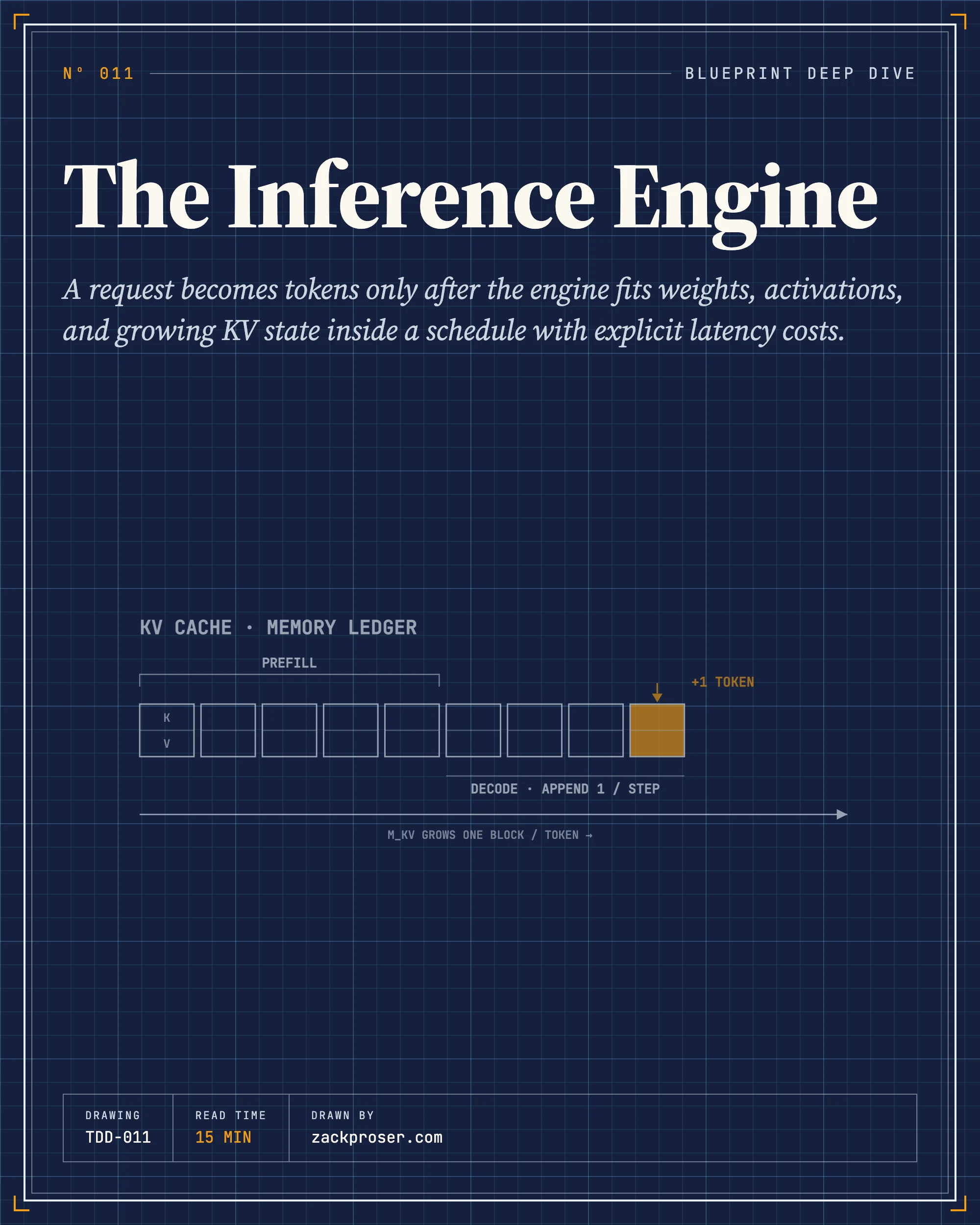
 TDD-011 · DRAWING
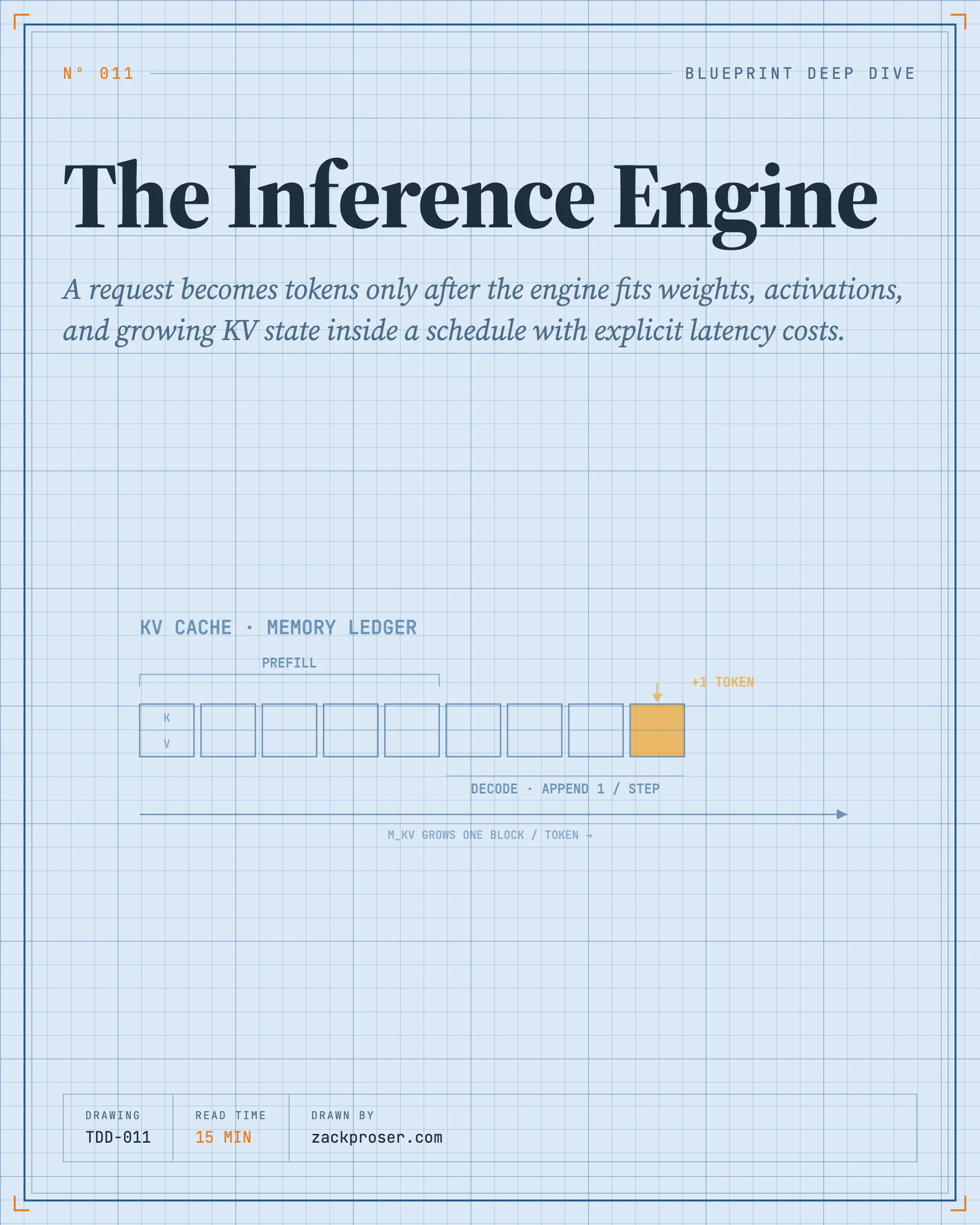
The Inference Engine
A worked guide to LLM inference memory, KV-cache paging, continuous batching, prefill, decode, quantization, and latency-capacity planning.
 TDD-004 · DRAWING
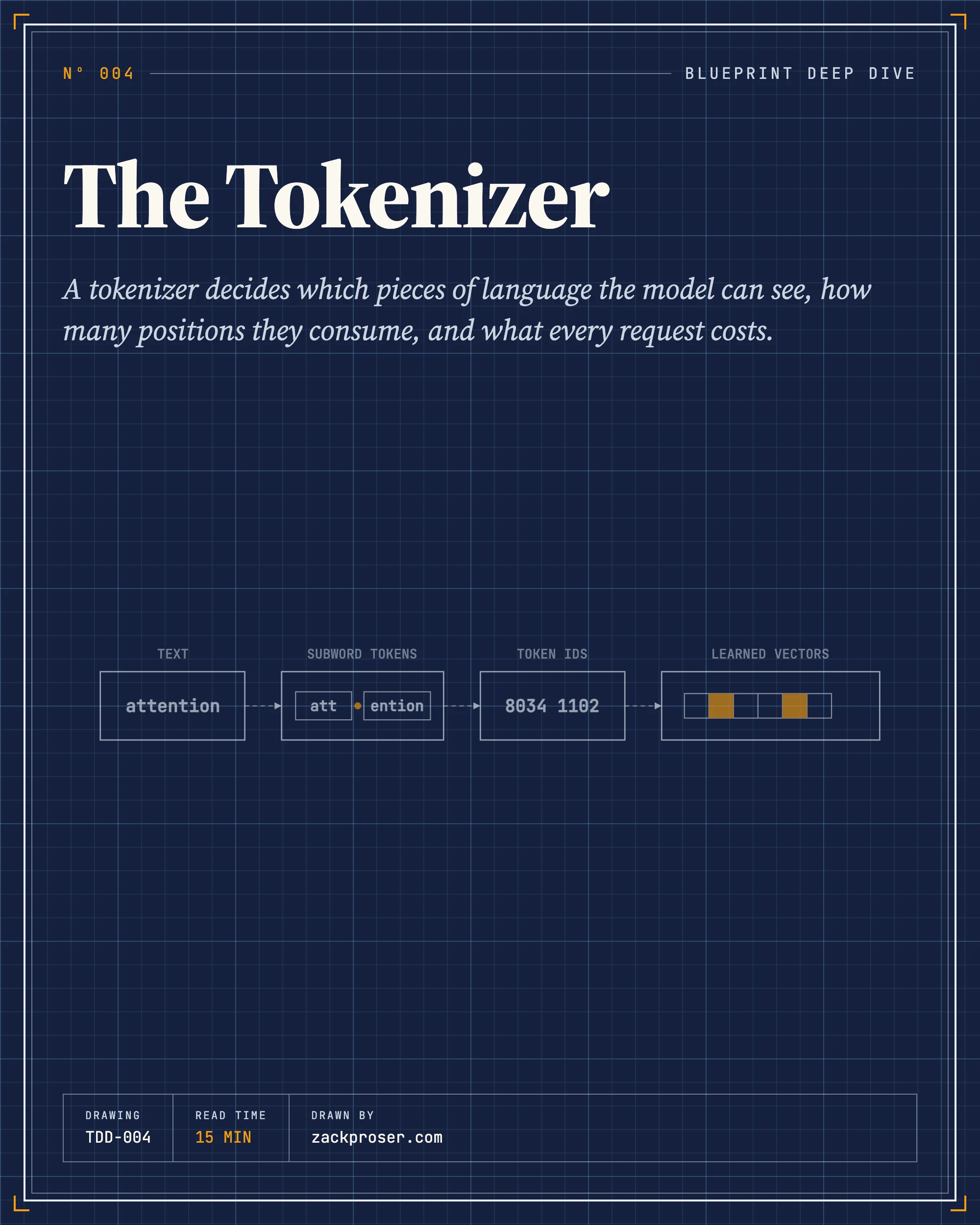
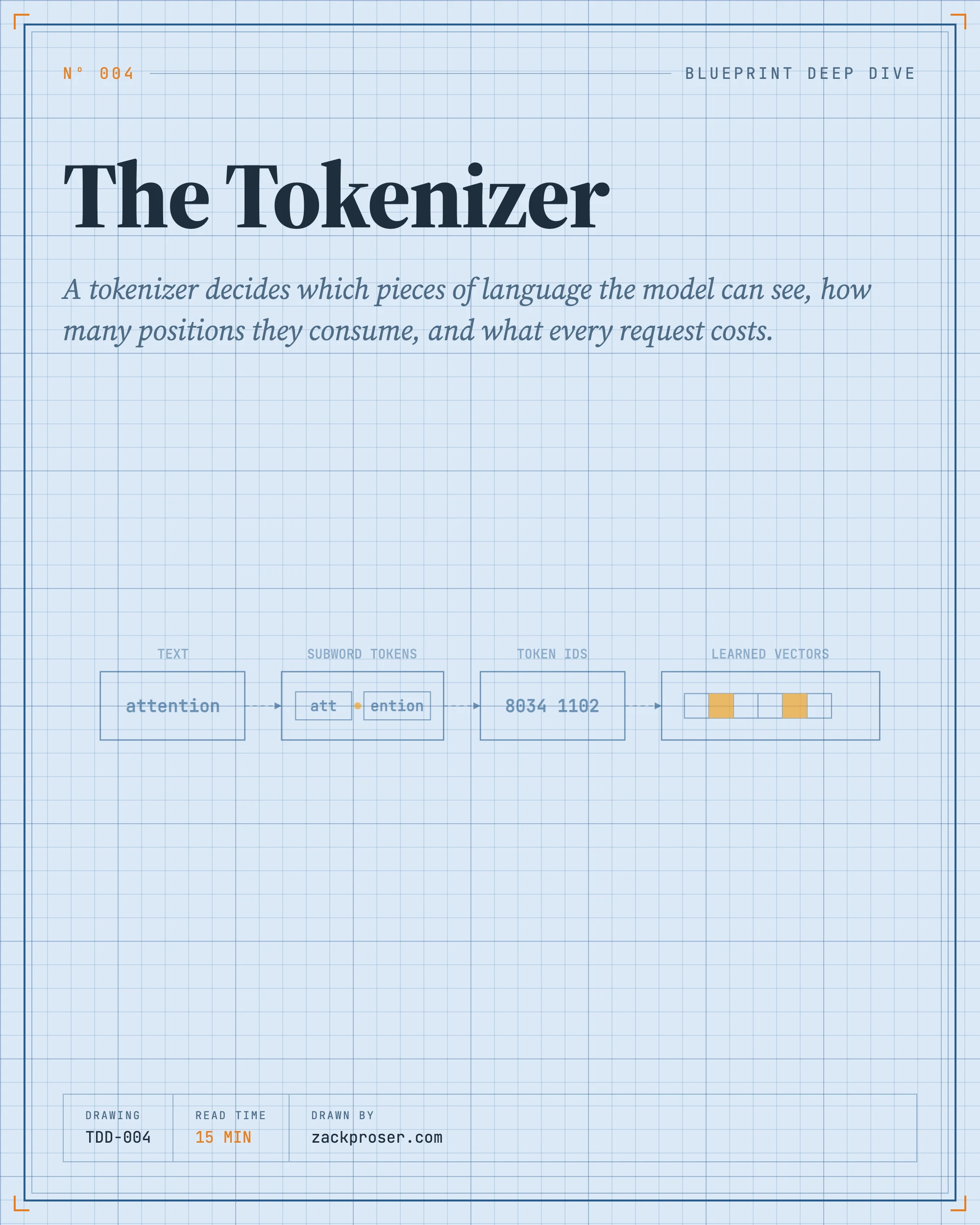
The Tokenizer
How tokenization works: BPE tokenizer training, ordered merges, byte fallback, token IDs, costs, multilingual tradeoffs, and why LLMs use tokens.
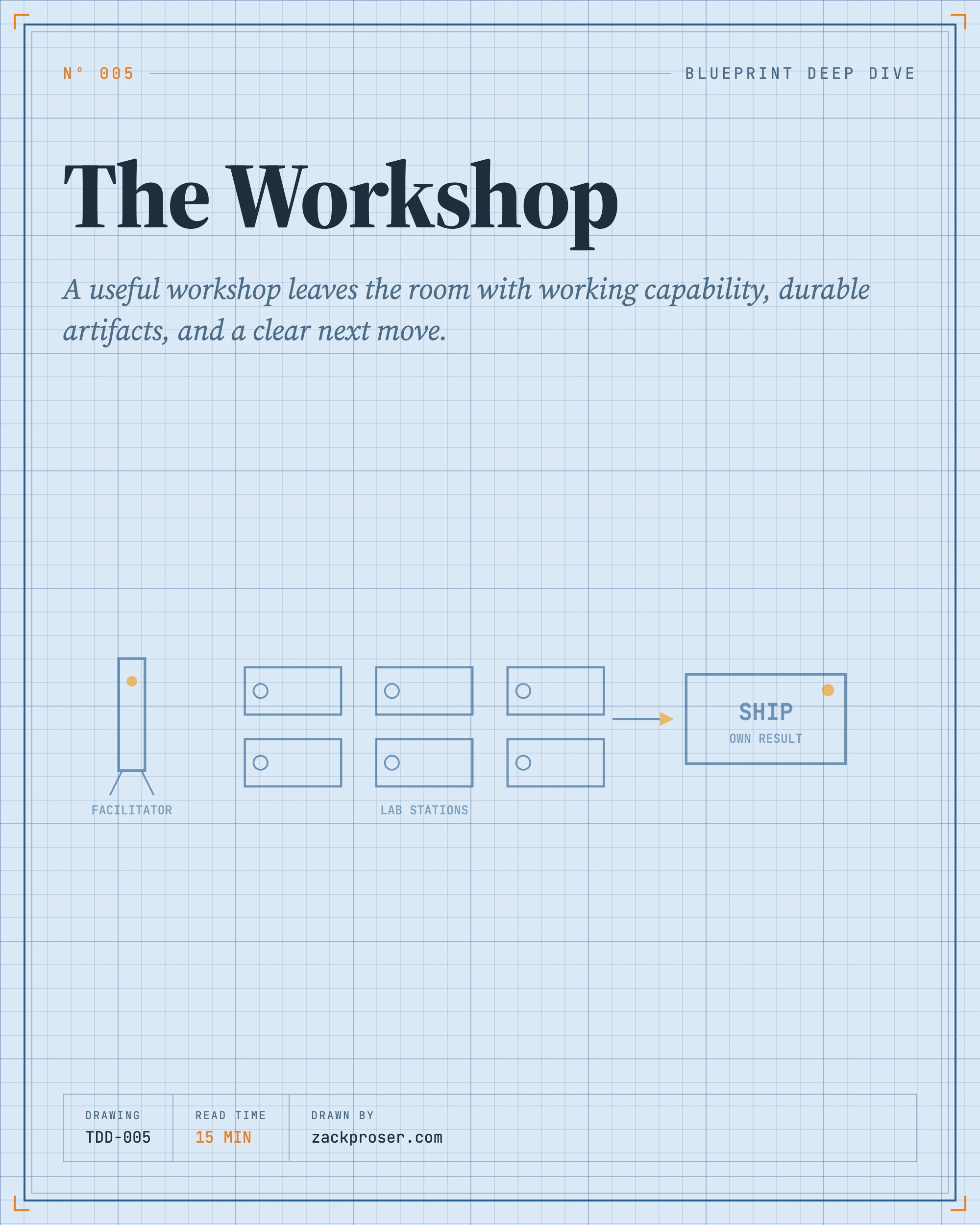 TDD-005 · DRAWING
The Workshop
A complete working drawing for an AI training workshop: how to design, build, deliver, and follow through on an AI workshop for engineers or corporate AI training that works.
 23 · Essay
We don't want AI pets. Fix your fucking connectors.
Hate mail from the edge of applied AI.
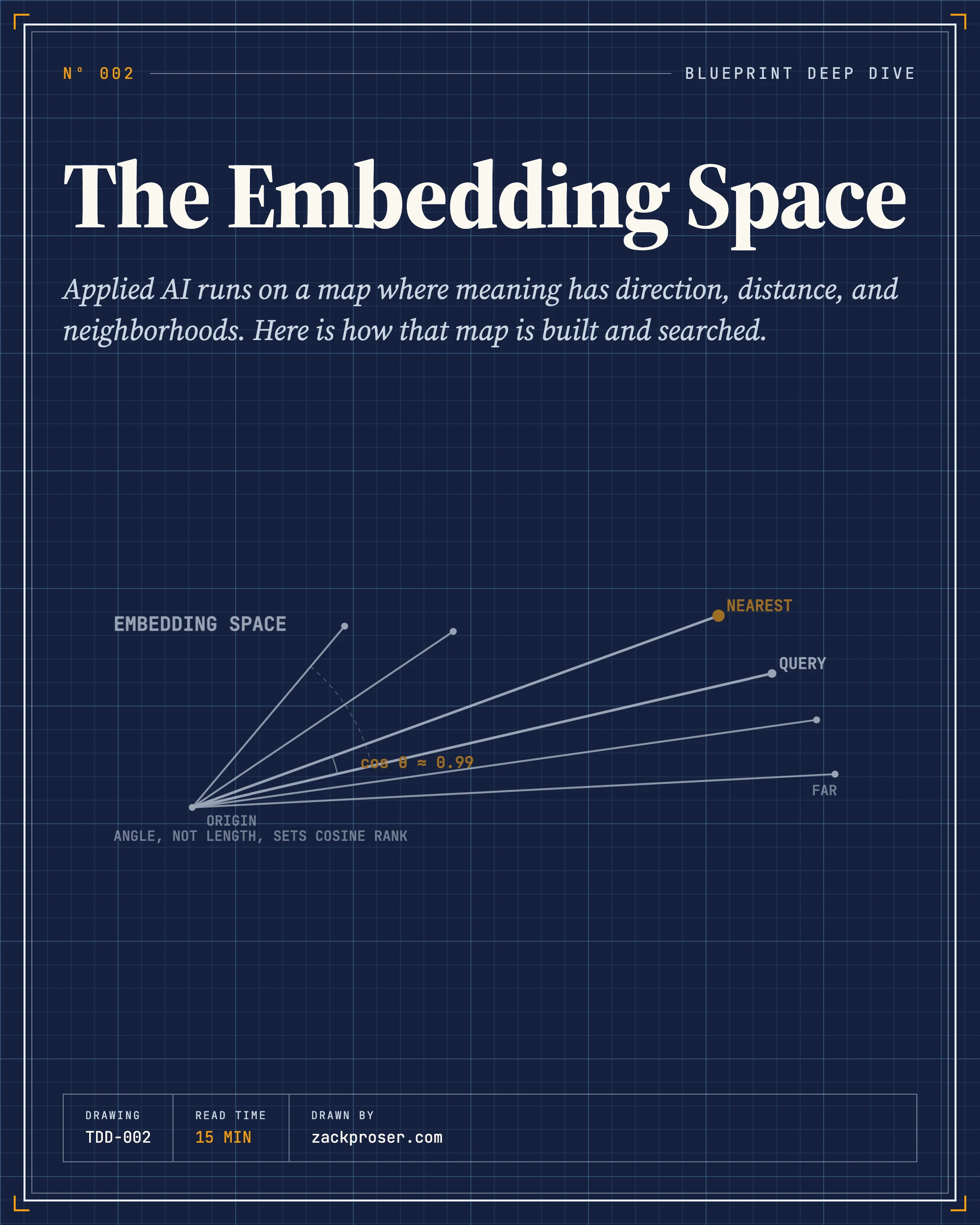
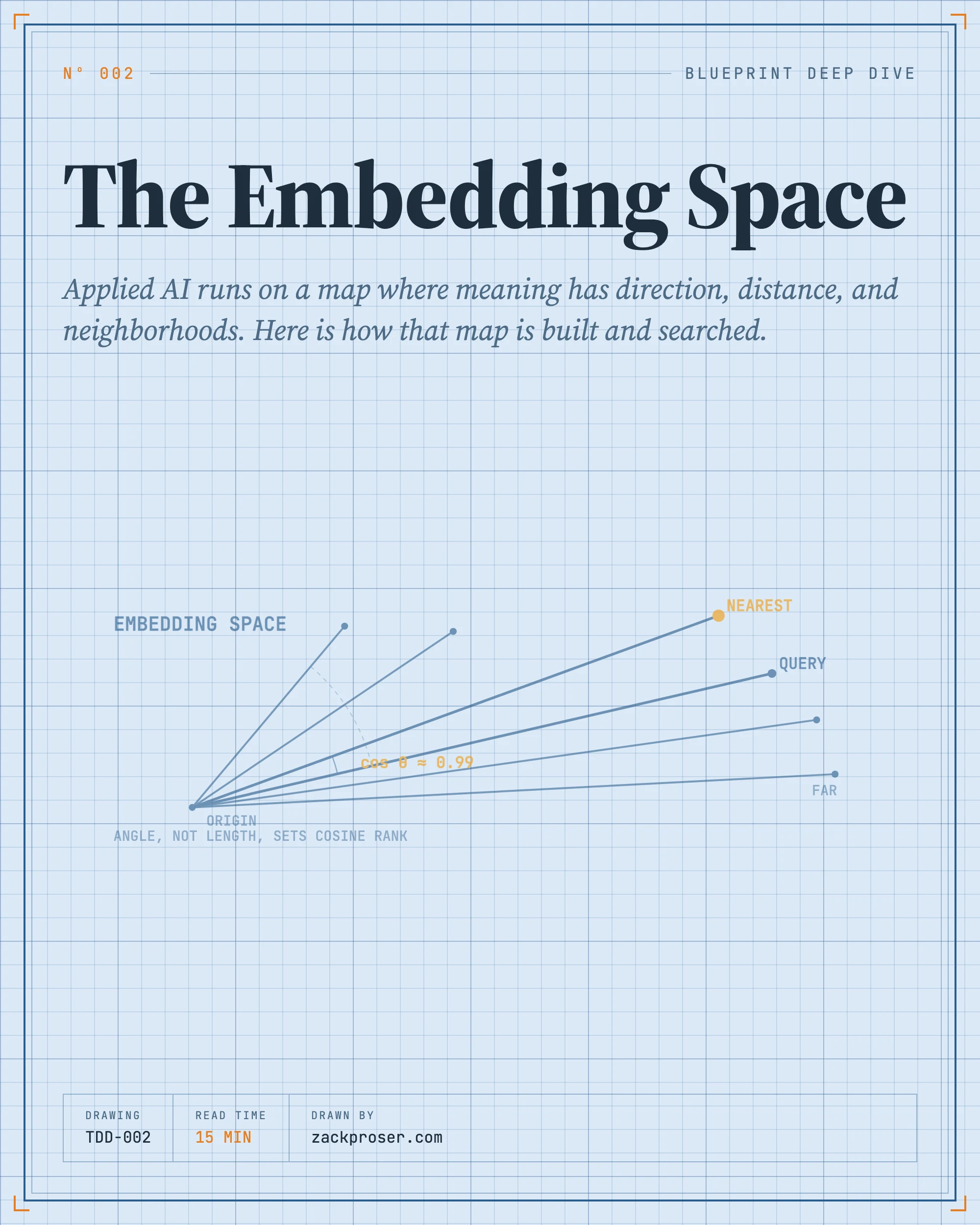 TDD-002 · DRAWING
The Embedding Space
From the distributional hypothesis and word2vec to contextual sentence encoders: how embeddings are trained, compared, indexed with HNSW, migrated, and evaluated in production.